A home security system provides an important layer of protection, but its effectiveness depends on how well homeowners understand its features and functions. From managing access codes to responding to alerts, knowing how a security system operates can make everyday home protection more reliable. For homeowners using Honeywell alarm panels, the guide Honeywell alarm keypad codes explained provides information about different alarm code types, their purposes, and how they relate to managing system access. Taking the time to understand these basic functions helps homeowners avoid common mistakes, improve household safety, and make better use of their security investments.
Understanding the Basic Functions of a Home Security System
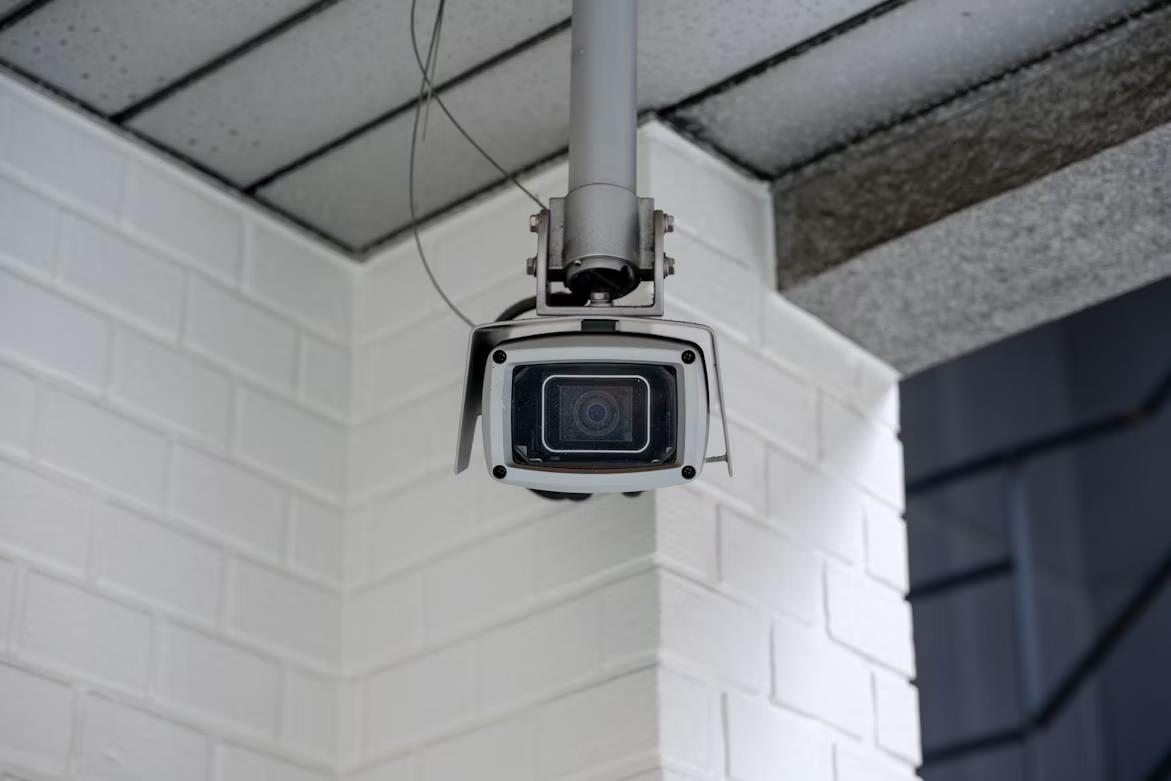
Modern home security systems typically include several components that work together to detect suspicious activity and alert occupants to potential threats. These may include motion detectors, door and window sensors, control panels, security cameras, and audible alarms. Understanding how these components communicate allows homeowners to recognize when something is functioning incorrectly and respond appropriately.
The control panel serves as the central point for managing many security functions, including arming and disarming the system. Depending on the equipment installed, homeowners may also be able to adjust settings, review alerts, and manage user permissions. Learning these basic operations reduces confusion and helps ensure the system remains useful during everyday activities and unexpected situations.
Managing Access Codes and User Permissions
Access codes are an essential part of many home security systems because they determine who can arm, disarm, or manage the equipment. Some systems support different permission levels for homeowners, family members, visitors, and service providers. Understanding these distinctions helps prevent unauthorized access while allowing trusted individuals to use the system when necessary.
Homeowners should regularly review active access codes and remove permissions that are no longer needed. For example, a temporary code assigned to a contractor should be disabled once the work has been completed. Maintaining appropriate access permissions helps protect the household and reduces the likelihood of security settings being changed without authorization.
Preventing False Alarms and Common Operating Mistakes
False alarms can create unnecessary stress, disrupt daily routines, and potentially result in additional costs when emergency services are dispatched. Many accidental activations occur because household members enter incorrect codes, forget that the system is armed, or misunderstand entry and exit delays. Familiarity with the system’s operating procedures can significantly reduce these problems.
Every household member who uses the security system should understand how to arm and disarm it correctly. Homeowners should also learn what different warning sounds and keypad messages indicate, particularly when a sensor or communication feature requires attention. Clear instructions and regular practice can make the system easier to operate without compromising security.
Responding Effectively to Security Alerts
A security alarm is most useful when homeowners know what action to take after receiving a notification. Different alerts may indicate an open door, unexpected movement, equipment trouble, or a possible intrusion. Recognizing these differences allows residents to assess situations more carefully instead of reacting with unnecessary confusion.
Homeowners should establish a simple response plan for potential security incidents and discuss it with everyone living in the property. This may involve checking remote camera footage, contacting a monitoring provider, or moving to a safe location when an intrusion is suspected. Understanding the system’s notification features helps residents respond promptly while avoiding unnecessary risks.
Maintaining Security Equipment for Reliable Performance
Even a well-designed security system requires regular maintenance to remain dependable. Sensors can become misaligned, batteries may lose power, and communication connections can occasionally fail. Homeowners who understand basic maintenance requirements are better equipped to identify warning signs before they develop into larger security problems.
Routine inspections should include checking sensor placement, reviewing battery notifications, and confirming that alarm signals reach the intended monitoring service. Any system testing should follow the manufacturer’s instructions and the monitoring provider’s procedures to prevent accidental emergency dispatches. Keeping equipment maintained helps ensure that important security features operate as expected when needed.
Adapting Home Security to Changing Household Needs
Household security requirements often change as families grow, routines evolve, or new people begin accessing the property. A system configured for one resident may need different permissions and settings when children, relatives, or regular service providers become involved. Understanding available features makes these adjustments easier without requiring unnecessary equipment replacements.
Homeowners may also introduce additional devices such as smart locks, connected cameras, or automated lighting to strengthen existing security arrangements. Before adding equipment, it is important to confirm compatibility and understand how the new features interact with the current system. A thoughtful approach helps create a security setup that remains practical, manageable, and appropriate for the household.
Conclusion
Understanding a home security system is just as important as having one installed. Homeowners who know how to manage access codes, recognize alerts, maintain equipment, and respond to potential threats can make better use of their security technology. By developing familiarity with these essential functions, households can reduce operating mistakes, improve everyday convenience, and maintain a more dependable approach to protecting their property.