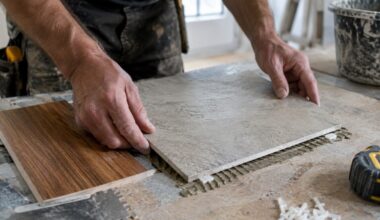
Choosing flooring that works well with underfloor heating is one of your most critical decisions.
More homeowners than ever are installing underfloor heating — in new builds, renovations, and bathroom upgrades. It’s quickly becoming the standard for warm, comfortable living. But here’s what most people miss… The real secret to making it perform at its peak isn’t the system. It’s the flooring that sits on top.
Get it right and you’ll enjoy:
- Lower energy bills
- Faster heat-up times
- A beautiful finish that lasts for decades
Get it wrong and you’ll waste energy, money, and effort. Here’s the thing…
Underfloor heating is not compatible with all types of flooring. Certain types of flooring are great conductors of heat. While others are insulated and resist the heat.
Global Underfloor Heating market size was $5.3 billion in 2024 and is rising quickly. Therefore, selecting the correct flooring on top has never been more crucial.
This guide breaks down the best options.
In this guide:
- Why Your Flooring Choice Matters So Much
- The Best Flooring Materials For Underfloor Heating
- Flooring Choices To Avoid
- Quick Tips For Getting It Right
Why Your Flooring Choice Matters So Much
Think of your floor like a sponge.
A good “sponge” absorbs heat from underneath and gradually radiates it into the room. A bad “sponge” simply absorbs the heat and holds onto it. That’s the difference between heat conducting flooring…and flooring that doesn’t.
When the heat can’t pass through, your system has to work harder. That means:
- Higher energy bills
- Longer heat-up times
- Patchy, uneven warmth across the room
Tile and stone are the highest conductors of heat. Carpet and heavy woods are two of the lowest. Choose accordingly!
Limestone Tile Sizes And Finishes: A Top Performer
Want a flooring option that ticks every single box?
Nothing beats limestone. It is a natural stone that retains heat exceptionally well, is stunningly beautiful and will last forever. This is why limestone tile dimensions and finishes are used so frequently in contemporary homes with radiant floors.
Here’s why limestone works so well:
- Excellent heat conductivity — Warms up fast and spreads heat evenly
- High thermal mass — Holds onto heat long after the system turns off
- Durable — Stands up to daily traffic for decades without losing its charm
- Naturally beautiful — Adds character that no synthetic floor can match
Limestone is available in many forms. Large format floor tiles for open concept living areas. Smaller limestone cobbles for entryways, kitchens or feature areas. Even finishes from smooth honed to rustic tumbled.
That allows you to coordinate your style with the room without losing quality.
Pretty cool, right?
Other Flooring Materials That Work Well
Don’t think limestone is the only material that loves underfloor heating. There are plenty of others:
Porcelain & Ceramic Tiles
These are the go-to choices for most homeowners.
Porcelain & ceramic tiles are thermal conductors. They heat up fast and hold that heat for hours. They’re durable, simple to keep clean, and are available in limitless designs. Choose styles that can even resemble wood or stone should that be your preference.
The downside? They can feel chilly and hard underfoot when it’s not heated.
Polished Concrete
Concrete might sound industrial, but hear this out…
Polished concrete happens to be one of the BEST surfaces to use with underfloor heating. It has enormous thermal mass — it sucks up heat and releases it slowly.
Hydronic underfloor heating systems work especially well with concrete. They can be up to 30% more efficient than other heating system layouts. Not to mention that it just looks amazing in modern/simple homes.
Engineered Wood
Love the warmth of wood? Engineered wood is your friend.
Engineered wood, as opposed to solid hardwood, can expand and contract with changes in temperature. This is due to its layered make up.
But there’s a catch…
Select engineered wood that is rated for underfloor heating. Also ensure that floor temperature does not exceed manufacturer’s recommended maximum (typically 27°C).
Luxury Vinyl Tile (LVT)
LVT is the budget-friendly option that punches above its weight.
It’s thermally conductive, aesthetically pleasing, and easy to install. It’s also water-resistant, making it great for kitchens/bathrooms.
Just ensure that your LVT is suitable for underfloor heating prior to purchasing. Budget vinyl can warp or melt when subjected to continuous heat so always purchase a quality flooring from a reputable brand.
Flooring Choices To Avoid
Now for the bad news…
Flooring materials that hate underfloor heating to avoid at all costs:
- Thick carpet — Acts as an insulator and blocks heat from rising
- Solid hardwood — Warps and cracks when heated repeatedly
- Thick rubber underlay — Reduces heat transfer dramatically
- Bamboo (in most cases) — Sensitive to heat changes
Carpets are the worst offender. A thin carpet with a low tog rating should be fine. Over 2.5 tog and you will lose most of your heat.
The rule of thumb? If the material insulates, it works against your underfloor heating.
Quick Tips For Getting The Best Results
Selecting your floor wasn’t quite enough work. Here are some additional tips to help your underfloor heating work optimally:
- Check the tog rating — Lower is better. Aim for under 2.5 tog
- Look for a “UFH compatible” label — This indicates it has been tested for underfloor heating
- Add good insulation underneath — Heat should travel UP, not DOWN
- Use a programmable thermostat — Saves money and keeps your home comfy
- Don’t go too thick — Thicker tiles take longer to heat up
If you follow the tips above, you’ll optimise your system. Plus you’ll reduce running costs in future!
Final Thoughts
The bottom line is simple…
Your choice of flooring can drastically impact your underfloor heating system’s performance. Choose a flooring material with high conductivity such as limestone, porcelain, polished concrete, or engineered wood with the appropriate J-value, and you’ll be rewarded with quicker heat up times and less money spent.
Pick the wrong material and you’ll be paying more for less comfort.
To quickly recap:
- Stone and tile are the BEST options for underfloor heating
- Engineered wood and LVT work well when properly rated
- Thick carpet and solid hardwood should be avoided
- Always check the tog rating and UFH compatibility before buying
Shop around. The right floor and the right heating system are a match made in heaven. They will keep your home cozy, comfortable and gorgeous for decades.