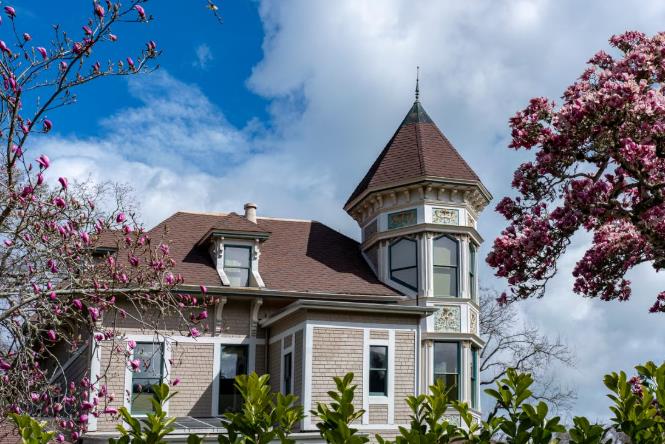
Older homes in Columbus, Ohio, often come with solid bones, familiar neighborhoods, and a few surprises behind the walls. A slow drain, uneven heat upstairs, a water heater that takes longer than usual, or a furnace that sounds different this winter can all point to systems that need attention. Many homeowners wait until something stops working, but aging homes usually give clues long before a major repair happens.
With the right maintenance habits, you can keep your home comfortable, reduce emergency calls, and make smarter choices.
Start with a System Age Check
Before you plan repairs, find out how old your main systems are, highlight RENTit Colorado property managers. Look for labels on the furnace, air conditioner, water heater, sump pump, and electrical panel. Write down model numbers, installation dates, and any service history you can find. This gives you a clear picture of what may need attention first. Older equipment can still run well, but age helps you set realistic expectations. A ten-year-old water heater, for example, deserves closer monitoring than a newer one. Keep a simple home file with receipts, inspection notes, and repair dates. When a technician visits, this record helps them spot patterns faster and recommend practical next steps instead of guessing.
Give HVAC Equipment Regular Attention
Heating and cooling systems work harder in older homes, especially when insulation, ductwork, or windows have aged too. Schedule seasonal maintenance before heavy use begins. A technician can clean key parts, check electrical connections, test airflow, and look for worn components. Homeowners can also help by replacing filters on time, keeping vents open, and clearing debris around the outdoor unit. If certain rooms stay too hot or too cold, mention that during service. It may point to duct leaks, weak airflow, or an aging system losing efficiency. Experienced Columbus HVAC contractors can help identify these issues before they turn into uncomfortable days or surprise breakdowns.
Catch Plumbing Clues Early
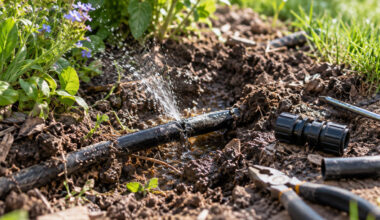
In an aging home, plumbing problems often start quietly. A faint stain under a sink, a soft spot near a toilet, or a faucet that drips after tightening can signal worn parts or pipe trouble. Check under cabinets once a month and look around the water heater, laundry hookups, and basement ceiling. Musty smells also deserve attention because hidden moisture can damage flooring, drywall, and framing. If your home has older pipes, ask a professional whether corrosion, loose fittings, or outdated materials could become an issue. Fast action matters. A small leak costs far less to fix than water damage that spreads through walls or floors.
Watch Water Pressure Changes
Water pressure tells you a lot about the health of your plumbing. If one faucet slows down, the issue may be a clogged aerator or fixture problem. If pressure drops across the whole house, the cause may sit deeper in the system. Older pipes can collect mineral buildup, develop corrosion, or leak in places you cannot see. Sudden pressure changes deserve quick attention, especially if they come with banging pipes, rusty water, or damp spots. Avoid using chemical drain cleaners or random fixes without knowing the cause. A proper inspection can show whether you need a simple repair, pipe cleaning, or a larger plumbing update.
Keep Drains From Becoming Emergencies
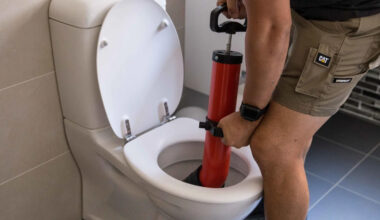
Older drain lines can collect grease, soap film, hair, and debris over time. Once the buildup narrows the pipe, clogs happen more often and water drains more slowly. Pay attention to repeated backups, gurgling sounds, or sewer smells near sinks, tubs, and floor drains. These signs may mean the blockage sits farther down the line. Use drain strainers, avoid pouring grease into sinks, and flush only toilet paper. For homes with mature trees nearby, roots can also create problems in underground lines. If clogs keep returning, a camera inspection can show what is really happening. Guessing wastes time, and repeated plunging rarely solves a deeper drain issue.
Improve Air Quality Along the Way
Many homeowners focus on heating and cooling performance but overlook indoor air quality. Older homes often have ductwork that has collected years of dust and debris. Small air leaks in ducts can also pull particles from attics, crawl spaces, or basements into living areas. If family members notice more dust on furniture, worsening allergies, or uneven airflow between rooms, it may be time for a closer look. Replace HVAC filters regularly and choose the filter type recommended for your system. Filters that are too restrictive can reduce airflow. Professional duct inspections can identify leaks, disconnected sections, or heavy buildup. Cleaner air supports comfort, helps equipment operate efficiently, and makes the home feel healthier year-round.
Help Your Water Heater Last Longer
Water heaters often receive little attention until hot water becomes unreliable. As these units age, sediment naturally settles at the bottom of the tank. Over time, that buildup can reduce efficiency and place extra strain on the system. Watch for warning signs such as fluctuating water temperatures, discolored water, or unusual noises during operation. Annual maintenance can help identify problems before they become expensive repairs. Many homeowners also benefit from checking the area around the unit for small leaks or moisture. If your water heater is approaching the later part of its expected lifespan, start planning ahead rather than waiting for a sudden failure. A planned replacement gives you more options and less stress.
Create a Practical Maintenance Routine
The easiest way to manage an aging home is to stop treating maintenance as a reaction to problems. Create a simple annual plan and divide tasks across the year. Schedule HVAC inspections before heating and cooling seasons. Check plumbing fixtures every few months for signs of leaks. Test sump pumps, inspect water heaters, and pay attention to changes in drainage performance. Keep notes after each service visit so you can track recurring concerns. This approach helps you make informed decisions about repairs and future replacements. It also reduces the chance of overlooking small issues that quietly grow worse over time. Consistent maintenance costs less than dealing with several emergency repairs at once.
An older home can remain comfortable, reliable, and efficient for many years when its essential systems receive consistent care. Most major plumbing, drain, heating, and cooling problems begin with small warning signs that homeowners can spot early. Paying attention to changes in performance, scheduling routine inspections, and addressing minor issues promptly can prevent many costly surprises. A proactive approach also helps you plan for future upgrades instead of making rushed decisions during emergencies. By understanding how your home’s systems age and giving them regular attention, you can protect your investment, improve everyday comfort, and keep your home running smoothly through every season.