Lithium power stations fail for clear reasons: battery aging, heat buildup, charging errors, overload, poor storage, and physical damage. These systems pack high energy into compact cells, so small mistakes can create long-term wear or sudden shutdowns. Understanding the most common failure points helps users protect performance, safety, and battery life. Whether you use a power station at home, on the road, or outdoors, proper charging, temperature control, and storage habits can prevent avoidable damage and keep it working reliably longer.
Battery Degradation Over Time
Cycle Aging and Capacity Loss
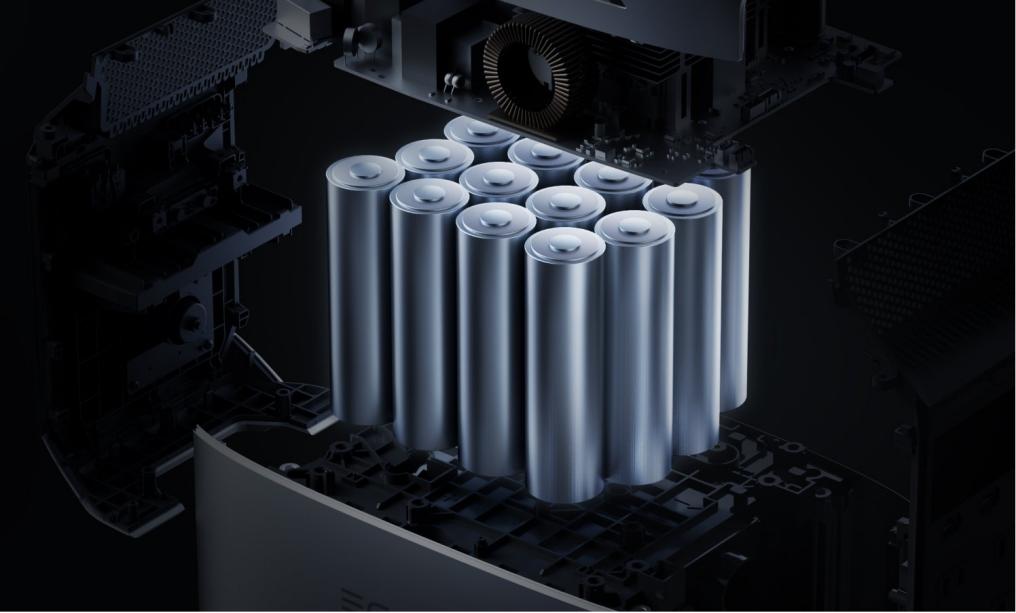
Every lithium power station loses capacity as charge and discharge cycles accumulate. Each full cycle slightly reduces the amount of energy the cells can store, so runtime gradually shortens. Deep discharges, frequent high loads, and constant daily use speed up this process. Even durable chemistries such as LiFePO4 eventually age. A well-designed unit, such as one rated for 4000 cycles to 80% capacity, simply slows the decline rather than eliminating normal wear.
Heat and Chemical Wear Inside Cells
Inside each cell, chemical reactions become less efficient over time. Electrolyte breakdown, internal resistance growth, and electrode degradation all reduce performance. Heat accelerates these changes by stressing materials and increasing unwanted side reactions, especially during fast charging or heavy discharge. As resistance rises, the battery generates more heat under load, creating a damaging cycle. The result can include weaker output, slower charging, voltage instability, and a shorter overall service life for the power station.
Overheating and Thermal Stress Failures
High Temperature Impact on Stability
High temperatures reduce lithium battery stability and speed up internal wear. When a power station operates in hot vehicles, direct sun, or poorly ventilated rooms, cell temperature can rise beyond safe limits. Excess heat stresses separators, electrolytes, and electronic components, increasing the chance of shutdowns or permanent damage. It also weakens charging efficiency and shortens lifespan. Repeated overheating often causes swelling, faster capacity loss, and unreliable output during demanding use or emergency backup situations.
Thermal Runaway Risks in Heavy Use
Heavy loads, rapid charging, or blocked airflow can push a lithium power station into dangerous thermal stress. If heat builds faster than the system can dissipate it, internal cell temperatures may rise sharply and trigger thermal runaway. That chain reaction can damage nearby cells and create fire risk. Safer designs reduce this danger through active monitoring and protection. For example, advanced systems may include over 40 safety measures and thermal runaway propagation protection to limit escalation.
Electrical Overload and Charging Mistakes
Overcharging, Overcurrent, and Voltage Stress
Overcharging and excessive current place severe stress on lithium cells and battery management electronics. When charging voltage exceeds safe limits, internal reactions become unstable and long-term damage increases quickly. Running appliances that draw more power than the station can deliver creates overcurrent stress, overheating, and sudden protective shutdowns. Repeated voltage strain also harms inverters and control boards. Smart battery management helps, but users still need to respect charging limits and rated output capacity.
Using Incompatible Chargers or Devices
Using the wrong charger can expose a lithium power station to improper voltage, unstable current, or poor communication with its battery management system. That can cause slow charging, excess heat, repeated fault codes, or permanent battery stress. Incompatible devices can also create irregular startup surges that overload outlets or inverter circuits. Always use approved charging methods and check device wattage before connection. Matching specifications protects both the battery pack and the station’s internal electronics.
Environmental and Usage-Related Causes
Extreme Cold, Heat, and Storage Issues
Extreme temperatures harm lithium power stations even when they are not in active use. High heat during storage speeds chemical aging, while freezing conditions can reduce output and make charging unsafe. Leaving a unit fully drained for long periods may push cells into deep discharge, which can cause irreversible damage. Long storage in humid or dusty areas also affects connectors and internal components. Moderate temperatures and periodic recharge checks are essential for preserving battery health.
Physical Damage and Poor Handling Risks
Drops, vibration, punctures, and rough transport can damage battery cells, wiring, ports, and internal supports. Even if the outer case looks fine, hidden impact damage may create internal shorts or weaken electrical connections. Pulling cords sharply, stacking heavy items on the unit, or using it in wet, dirty environments also increases failure risk. Careful handling matters because portable power stations are moved often. Protecting the enclosure and ports helps prevent both safety issues and performance loss.
How to Prevent Lithium Power Station Failure?
Safe Charging and Load Management
Charge the power station with the recommended method, keep ventilation clear, and avoid exposing the unit to direct sunlight while charging or powering large devices. Stay within the rated output instead of pushing the inverter to its limit for long periods. Unplug unnecessary loads and monitor temperature during heavy use. Quality units with intelligent management systems, fast charging, and stable LFP cells improve safety, but careful user habits remain the first line of protection.
Proper Storage and Maintenance Habits
Store the unit in a cool, dry place and avoid leaving it fully empty or constantly at maximum charge for months. Check the battery level periodically during storage and top it up as recommended by the manufacturer. Keep vents, ports, and cables clean, and inspect the case for signs of swelling, cracks, or unusual heat. Regular maintenance, gentle handling, and prompt attention to warning alerts can significantly extend the power station’s usable life.
Conclusion
Lithium power stations usually fail because of predictable causes: aging cells, excessive heat, overload, charging mistakes, poor storage, and physical damage. The good news is that most of these problems are preventable with smarter daily use. Keep temperatures under control, use compatible chargers, avoid excessive loads, and store the unit properly between uses. Choosing a model with durable LFP cells and strong protection systems also helps. Good habits and good design together deliver longer life and safer performance.