Building a custom home in South Florida is an exciting opportunity to create a residence that reflects your lifestyle while meeting the unique demands of the region’s climate and building regulations. Whether you’re planning to build in Miami-Dade, Broward, or Palm Beach County, the process differs significantly from many other parts of the country. Hurricane-resistant construction, flood-zone requirements, local permitting procedures, and coastal environmental considerations all play an important role in shaping the project.
Understanding what to expect before construction begins can help homeowners make informed decisions, avoid unnecessary delays, and enjoy a smoother building experience.
Start With the Right Builder
One of the most important decisions you’ll make is selecting a licensed custom home builder like floridahomebuild.com with extensive experience in South Florida. Local expertise matters because each municipality has its own permitting procedures, zoning requirements, and inspection processes.
A reputable builder should have an established network of architects, engineers, surveyors, and subcontractors familiar with local building codes. Ask to review completed projects, speak with previous clients, and confirm that the builder carries appropriate licensing and insurance. Transparent pricing, realistic scheduling, and clear communication are all indicators of a professional construction team.
Rather than choosing solely based on the lowest bid, homeowners should evaluate the builder’s reputation, quality of workmanship, and ability to manage complex permitting and inspections.
Designing for South Florida’s Environment
Custom homes in South Florida must be designed for more than appearance. High humidity, tropical storms, hurricane-force winds, and seasonal heavy rainfall all influence architectural and engineering decisions.
Modern custom homes commonly include:
- Impact-resistant windows and exterior doors
- Reinforced concrete block construction
- Elevated foundations where required by flood regulations
- Energy-efficient insulation and HVAC systems
- Moisture-resistant building materials
- Outdoor living spaces designed for year-round use
Many homeowners also prioritize smart home technology, whole-house generators, hurricane-ready roofing systems, and high-performance glazing to improve both comfort and resilience.
Planning and Permitting
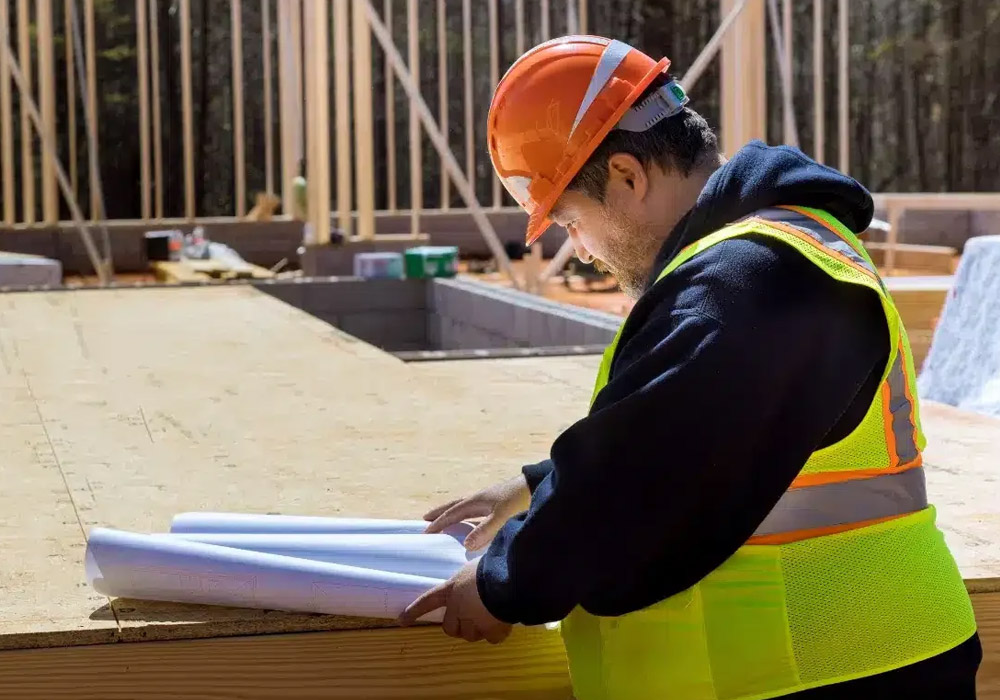
Before construction begins, several pre-construction steps must be completed. These generally include site surveys, soil evaluations when necessary, architectural plans, structural engineering, and municipal approvals.
Permitting timelines vary depending on the jurisdiction and project complexity. New custom homes often require reviews by multiple departments, including zoning, structural, electrical, plumbing, mechanical, and environmental agencies. Projects located near waterways or within coastal zones may require additional approvals before permits can be issued. Local governments emphasize that permits and inspections exist to ensure construction complies with building codes and public safety standards.
Because revisions are common during plan review, homeowners should build flexibility into their schedule instead of expecting immediate approval.
Construction Timeline
While every project is unique, a typical custom home in Miami-Dade, Broward, or Palm Beach County generally follows these stages:
Pre-construction (2–6 months)
This phase includes design development, engineering, budgeting, lot preparation, and permitting.
Site Preparation
Once permits are approved, crews clear the property, establish elevations, install temporary utilities, and prepare foundations.
Structural Construction
Foundations, concrete walls or framing, roofing systems, and exterior windows are completed to create a weather-tight structure.
Mechanical Installation
Electrical wiring, plumbing, HVAC, security systems, and smart-home infrastructure are installed before insulation and drywall.
Interior Finishes
Cabinetry, flooring, tile, painting, lighting, millwork, countertops, and appliances are installed during the finishing phase.
Final Inspections and Occupancy
Municipal inspectors verify compliance with approved plans before issuing a Certificate of Occupancy, allowing the homeowner to move in.
Many custom homes in South Florida require approximately 10 to 18 months from design through completion, although permitting complexity, weather events, material availability, and design revisions can extend the overall timeline.
Regional Challenges
South Florida presents several construction challenges that homeowners should anticipate.
Hurricane season can temporarily interrupt scheduling, particularly for foundation work, roofing, and exterior finishes. Coastal properties may require additional engineering because of flood elevations, salt-air exposure, and high-wind design standards. Miami-Dade and Broward also enforce some of the nation’s most demanding wind-resistance requirements due to their location within the High Velocity Hurricane Zone.
Supply chain improvements have reduced many of the shortages experienced in recent years, but specialty materials, imported finishes, and custom windows may still require extended lead times.
Current Construction Trends
Today’s South Florida homeowners increasingly seek homes that combine luxury with long-term efficiency and resilience.
Popular trends include open-concept layouts, expansive indoor-outdoor living areas, large covered terraces, outdoor kitchens, home offices, wellness rooms, and resort-style pools. Sustainability also continues to influence new construction, with buyers requesting energy-efficient appliances, solar-ready roofing, LED lighting, advanced insulation systems, and low-maintenance exterior materials.
Builders are also incorporating automation systems that control lighting, security, climate, irrigation, and entertainment from a single mobile device.
Building With Confidence
Building a custom home in Miami-Dade, Broward, or Palm Beach County requires careful planning, experienced professionals, and patience throughout the permitting and construction process. While regional regulations and environmental conditions create additional complexity, they also help ensure homes are safer, stronger, and better suited to South Florida’s unique climate.
By selecting an experienced local builder, establishing realistic expectations, and planning for permitting timelines, homeowners can navigate the process with greater confidence and ultimately create a custom home designed to perform beautifully for decades.