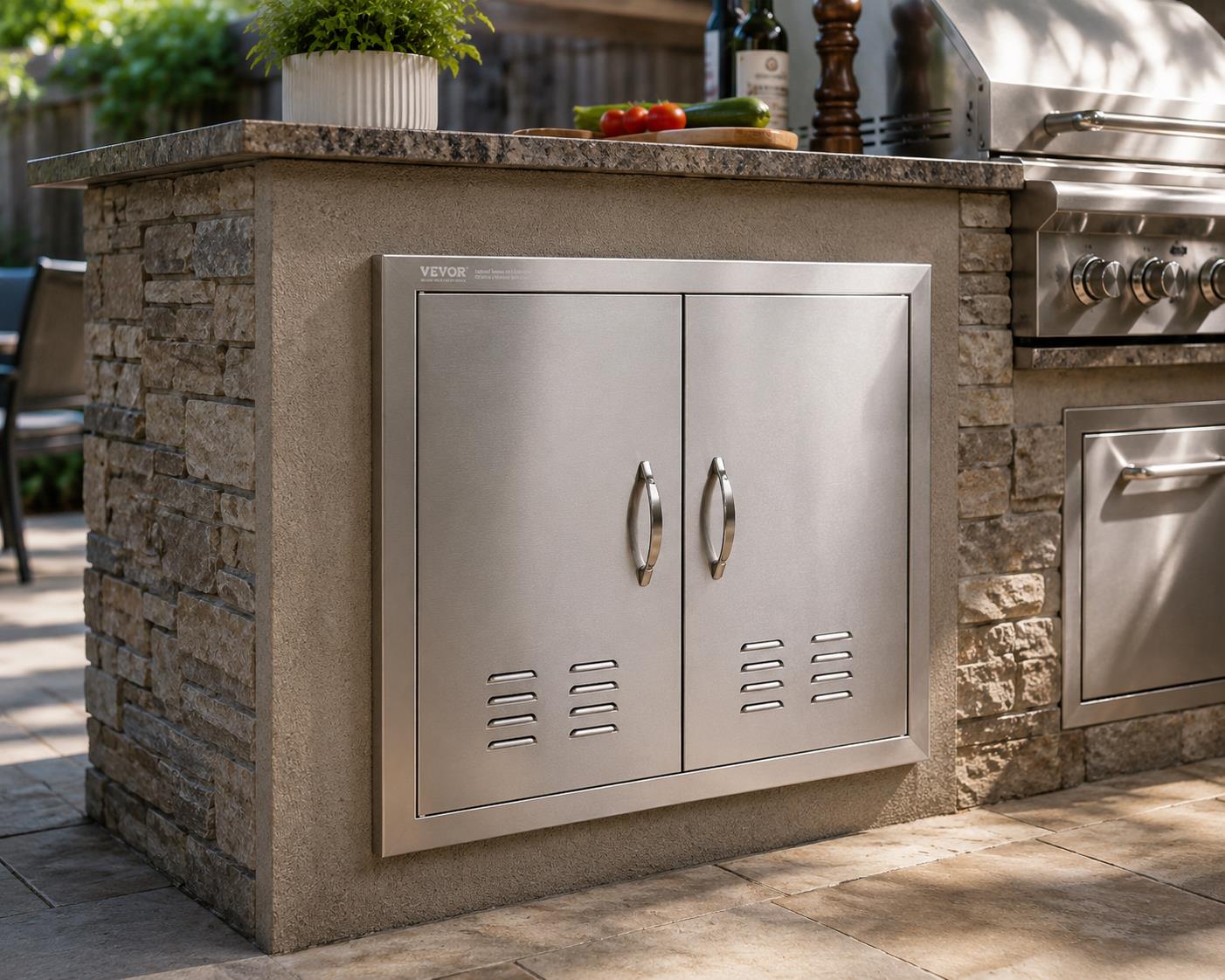
An outdoor kitchen is more than a place to prepare food, shares McKenna & Vane Property Management solutions. It can become a complete entertaining area where meals are cooked, drinks are served, and family and friends gather. However, keeping cookware, utensils, cleaning supplies, grilling accessories, and other essentials organized can be challenging without suitable storage. Choosing the right stainless steel outdoor kitchen storage can make a major difference by providing a durable, practical, and attractive solution that works well in an outdoor environment. The right storage system should not only offer enough space but also withstand changing weather conditions and frequent use.
When planning an outdoor cooking area, storage should be considered alongside the grill, countertops, sink, and other appliances. Outdoor storage needs are different from those of an indoor kitchen because cabinets and compartments are exposed to moisture, temperature changes, dust, sunlight, and sometimes salt air. A well-designed storage solution protects your equipment while keeping frequently used items within easy reach. Below are the most important features to consider before choosing storage for an outdoor kitchen.
1. Durable and Weather-Resistant Construction
Outdoor storage must be able to handle conditions that indoor furniture does not normally experience. Rain, humidity, heat, UV exposure, and temperature fluctuations can gradually damage unsuitable materials.
Stainless steel is one of the most popular choices because it combines strength with resistance to corrosion. High-quality stainless steel can maintain its appearance and structural integrity even when used outdoors. It is also relatively easy to clean, which is especially important in a cooking environment.
When comparing storage options, look at the overall construction rather than focusing only on appearance. Check the thickness of the material, quality of the seams, hardware, hinges, handles, and mounting components. Strong construction helps prevent doors and drawers from becoming misaligned after repeated use.
2. Protection Against Moisture
Moisture is one of the biggest concerns for outdoor kitchen storage. Even if the kitchen is located under a roof or pergola, wind can carry rain into the cooking area. Condensation can also form during temperature changes.
Good outdoor storage should provide protection against water entering the compartments. Look for properly fitted doors, secure closures, and construction that minimizes unnecessary gaps. While no cabinet should be considered completely waterproof unless specifically designed and rated for that purpose, weather-resistant construction can significantly reduce exposure to moisture.
It is also helpful to consider where the storage will be installed. Cabinets positioned directly in exposed areas may require more weather protection than those installed beneath a covered structure.
3. Practical Access and Easy Organization
Storage is only useful when the items inside can be accessed conveniently. Consider how you normally use your outdoor kitchen and choose compartments accordingly.
Drawers are useful for smaller items such as cooking utensils, knives, bottle openers, towels, and grilling accessories. Larger cabinets can accommodate pots, pans, cutting boards, cleaning products, and other bulky equipment.
For areas installed beneath a countertop, outdoor kitchen access doors can provide convenient access to storage spaces without taking up the additional room required by a large cabinet door. They can also be useful for accessing plumbing connections, electrical components, or other equipment installed underneath the counter.
Think about the location of each storage compartment before installation. Frequently used items should be placed where they can be reached quickly, while seasonal or rarely used equipment can be stored in less accessible areas.
4. Proper Size and Available Storage Capacity
One of the most common mistakes when designing an outdoor kitchen is underestimating the amount of storage required. A small cabinet may look sufficient during installation but quickly become crowded once grilling tools, cookware, serving dishes, cleaning products, and other accessories are added.
Before buying storage, make a list of everything you expect to keep outside. Group the items by size and frequency of use. This will help you determine whether you need drawers, single-door cabinets, double-door compartments, or a combination of different storage solutions.
Measure the available space carefully. Pay attention to width, depth, and height, as well as the amount of clearance needed for doors and drawers to open properly.
5. Strong Hinges and Hardware
Outdoor storage is opened and closed frequently, so hinges, handles, drawer slides, latches, and other hardware need to be durable.
Poor-quality hardware may loosen, rust, or become difficult to operate after prolonged exposure to outdoor conditions. Stainless steel or other corrosion-resistant hardware can be particularly useful for outdoor applications.
Soft-closing hinges and drawer slides can also improve the overall experience. They reduce impact when doors and drawers are closed and can contribute to longer-lasting components.
6. Easy-to-Clean Surfaces
Cooking outdoors can be messy. Grease, food particles, smoke residue, dust, and fingerprints can accumulate on storage surfaces.
Smooth, non-porous materials are generally easier to wipe clean. Stainless steel is especially practical because it can be cleaned regularly without requiring complicated maintenance. However, cleaning products should always be appropriate for the particular material and finish.
A simple cleaning routine can help preserve the appearance of outdoor cabinets. Wiping away spills quickly and removing grease before it builds up can prevent stubborn stains and buildup.
7. Resistance to Corrosion and Rust
Corrosion resistance deserves special attention if your outdoor kitchen is located in a humid region, near a swimming pool, or close to the coast. Salt and moisture can accelerate corrosion on unsuitable metals.
When selecting cabinets, doors, or drawers, verify the material and finish rather than assuming that every metal product is suitable for outdoor use. Stainless steel is often preferred because of its resistance to rust and corrosion.
Even corrosion-resistant materials benefit from regular cleaning. Dirt and salt deposits should not be allowed to accumulate for long periods.
8. Design That Matches the Outdoor Kitchen
Functionality is important, but appearance also plays a role in creating a cohesive outdoor kitchen. Storage should complement the grill, countertop, appliances, and surrounding architecture.
Modern stainless-steel cabinets can create a professional appearance, while darker finishes may provide a more contemporary look. Some homeowners prefer a minimalist design with clean lines, while others choose storage solutions that blend with a traditional patio or garden setting.
Consider the overall design before purchasing individual components. Matching handles, finishes, and cabinet styles can make the entire outdoor kitchen look more intentional and professionally planned.
9. Dedicated Storage for BBQ Equipment
Grilling accessories can quickly take over countertops if they do not have a designated storage area. Tongs, brushes, skewers, thermometers, trays, grill baskets, and replacement accessories all need somewhere to go.
This is where outdoor BBQ storage cabinets can be particularly useful. Dedicated compartments keep grilling equipment organized and close to the cooking station. Instead of searching through indoor drawers or carrying equipment back and forth between the house and patio, everything can remain conveniently stored near the grill.
The storage configuration should match your grilling habits. If you regularly use large trays or cookware, choose compartments with sufficient internal clearance. Smaller accessories may be better suited to drawers or narrow compartments.
10. Security and Safe Storage
Outdoor kitchens are often located in open areas, so security can sometimes be an important consideration. If you plan to store expensive accessories, specialized cookware, or equipment outside, cabinets with secure latches or lockable features can provide additional peace of mind.
Storage should also help keep potentially hazardous products away from children. Cleaning chemicals and other unsuitable items should be stored separately from food preparation equipment and preferably in secure compartments.
Good organization can also reduce the chance of items falling or becoming damaged when cabinets are opened.
11. Ventilation Where Necessary
Not every outdoor cabinet requires ventilation, but certain installations may benefit from it. Cabinets containing gas-related components or equipment should follow the applicable installation and ventilation requirements.
If storage is being installed around a grill, gas cylinder, electrical equipment, or plumbing components, always follow the manufacturer’s installation instructions and relevant local safety requirements. Do not modify cabinets or create ventilation openings unless the design specifically calls for it.
Professional installation can be worthwhile when storage forms part of a larger outdoor kitchen system.
12. Installation and Customization Options
Outdoor kitchens come in many different layouts, so storage should fit the available space. Modular cabinets can provide greater flexibility because different compartments can be combined to create a customized arrangement.
Before installation, check whether the storage unit is designed for freestanding use, built-in installation, or a specific countertop configuration. Incorrect measurements can lead to gaps, alignment problems, or doors that cannot open fully.
It is also important to leave appropriate clearance around appliances and ensure that plumbing, electrical connections, and other components remain accessible when required.
13. Long-Term Maintenance
Even the best outdoor storage needs some maintenance. Regular inspection can help identify loose handles, worn hinges, damaged seals, or other issues before they become major problems.
Clean the exterior periodically and remove grease, dirt, and salt deposits. Check hardware for signs of corrosion and make sure doors and drawers continue to operate smoothly.
If the outdoor kitchen is located in an area with severe weather, additional protection may be useful during periods when the kitchen is not being used. Covers, sheltered installation, and appropriate maintenance can extend the useful life of the storage system.
14. Value for Long-Term Use
Price should not be the only factor when comparing outdoor kitchen storage. A cheaper product may require replacement sooner if it cannot withstand outdoor conditions.
Instead, consider the overall value, including material quality, storage capacity, hardware, ease of cleaning, appearance, and expected durability. A well-built storage system can make the outdoor kitchen more convenient for many years and reduce the need for frequent replacement.
The goal is to choose storage that fits both your current requirements and your future needs. If you expect to add appliances or expand the cooking area later, modular storage can provide useful flexibility.
Conclusion
Choosing outdoor kitchen storage requires more thought than simply selecting cabinets that look attractive. The best solution should combine durability, weather resistance, convenient access, sufficient capacity, corrosion resistance, easy maintenance, and a design that complements the rest of the kitchen.
Start by evaluating the environment where the storage will be installed and then determine what you need to store. From cookware and utensils to grilling accessories and cleaning supplies, every item should have an appropriate place. Pay particular attention to material quality, hardware, moisture protection, dimensions, and installation requirements.
With the right planning, an outdoor kitchen can remain organized, functional, and visually appealing while providing easy access to everything needed for cooking and entertaining. Whether you are building a new cooking area or upgrading an existing patio kitchen, investing in well-designed storage can make the entire space more practical and enjoyable.