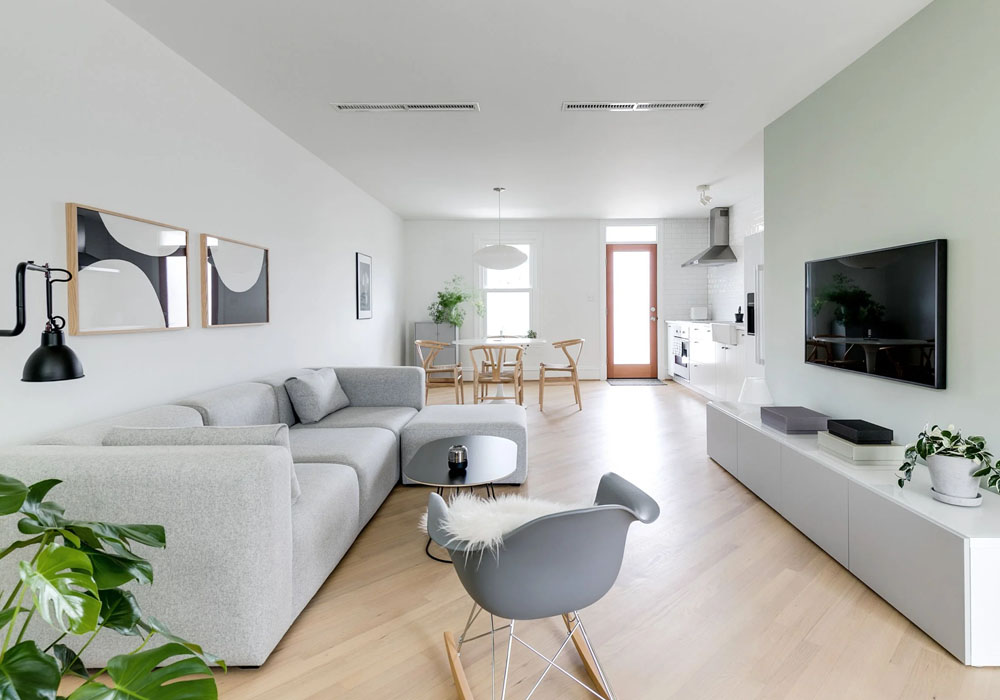
The “Quiet Luxury” movement has firmly established itself as a leading interior design trend. This aesthetic prioritises high-quality craftsmanship, sustainable natural materials, and sensory well-being over visual opulence.. Homeowners are increasingly moving away from stark, sterile white spaces in favour of “warm minimalism.” This design philosophy embraces creamy beiges, organic accents, and inviting textures. In Singapore, where the hybrid Japandi style continues to dominate modern renovations, blending Scandinavian warmth with Japanese minimalism has become the standard for contemporary living.
Creating a space that feels both curated and comfortable requires a thoughtful approach to materials and styling. It is not simply about removing clutter, but rather about introducing elements that provide depth and character.
Grounding the Space with Artisanal Wood Features
One of the most effective ways to instantly warm up a minimalist room is through the use of natural timber. Interior design forecasts highlight a strong resurgence in bold timber patterns, which add timeless elegance to otherwise understated spaces. For instance, incorporating classic European Oak herringbone or custom parquet flooring provides a rich, tactile foundation that prevents an open-concept room from feeling cold or uninviting. This approach effortlessly grounds the starker elements of modern architecture, creating a visually engaging contrast.
Beyond the immediate aesthetic appeal, premium natural materials can offer lasting practical benefits for property owners. High-quality timber features are durable, timeless, and can contribute to a home’s overall appeal. Rather than serving as purely decorative elements, natural wood surfaces can become long-lasting features that continue to complement a property’s design over time.
Balancing Organic Textures with Ambient Lighting
To maximise the impact of natural wood, it is crucial to layer complementary interior design elements throughout the room. When exploring how to balance different textures in a space, experts often recommend pairing the rich grain of wood floors with soft ambient lighting, such as alabaster sconces or organic chandeliers. These fixtures soften the sharp angles typical of modern residential architecture and cast a warm, diffused glow that highlights the natural imperfections of the wood.
This layered approach to lighting and texture directly supports the principles of biophilic design. The Global Wellness Institute’s recent initiatives highlight “primal architecture” as a key movement, using natural materials and indirect lighting to naturally regulate the human nervous system, share Retain Each experts. Environments that incorporate these natural elements have been scientifically shown to lower blood pressure and stimulate a restful physiological response. By carefully balancing tactile surfaces with gentle illumination, a minimalist home becomes a true sanctuary for mental well-being.
Practical Upgrades for Contemporary Singaporean Homes
Adapting these design strategies for a tropical climate requires both aesthetic vision and practical planning. Homeowners should focus on design choices that balance visual warmth, durability, and environmental responsibility while reducing the need for unnecessary structural changes.
When planning your minimalist makeover, consider these targeted strategies to ensure your space remains warm, durable, and environmentally responsible:
- Choose tactile wall finishes: Replace glossy or synthetic paints with limewash or microcement. These finishes create a cosy, lived-in atmosphere that perfectly complements organic wood accents.
- Prioritise sustainable certifications: Look for responsibly managed, FSC or PEFC-certified materials. This approach supports Singapore’s broader efforts to encourage more environmentally responsible buildings and sustainable construction practices.
- Select moisture-resistant materials: To combat tropical humidity while retaining organic warmth, opt for durable timber boards designed for humid environments. Choosing materials with reduced chemical emissions can also help support better indoor air quality.
- Embrace imperfect organic forms: Introduce furniture and decor with curved edges and raw textures. This breaks up the rigid geometry of contemporary layouts and reinforces the feeling of quiet luxury.
By thoughtfully integrating natural elements, textured finishes, and strategic lighting, homeowners can completely transform their living environments. Warm minimalism proves that modern design does not have to be austere. Instead, it can be a sophisticated celebration of craftsmanship and well-being, resulting in spaces that are deeply comforting and enjoyable to live in.