If you have ever stood in a curtain showroom staring at rows of white, cream, and beige fabric that all look the same, you are not alone. Choosing sheer curtains sounds simple until you actually try to do it. The truth is, not every sheer fabric behaves the same way once it is hanging on a window in Dubai. Between the strong sun, the dust, and the constant switch between air conditioning and outdoor heat, some fabrics hold up beautifully while others fade, sag, or start looking tired within a year. This guide breaks down what actually matters when picking a sheer curtain fabric for a home in the UAE, so you can make a choice that still looks good two or three summers from now.
Why Fabric Choice Matters More in Dubai Than Elsewhere
In cooler, less sunny climates, sheer curtain fabric is mostly a style decision. In Dubai, it is also a practical one. The fabric you choose affects how well your curtains resist sun damage, how much dust they collect, how they move under air conditioning vents, and how often you will need to wash or replace them. A fabric that performs perfectly in a mild climate can behave very differently once it is exposed to months of intense UV rays and sandy air. That is why the decision deserves a bit more thought than simply picking whatever color matches your sofa.
Voile: The Practical, All-Round Choice
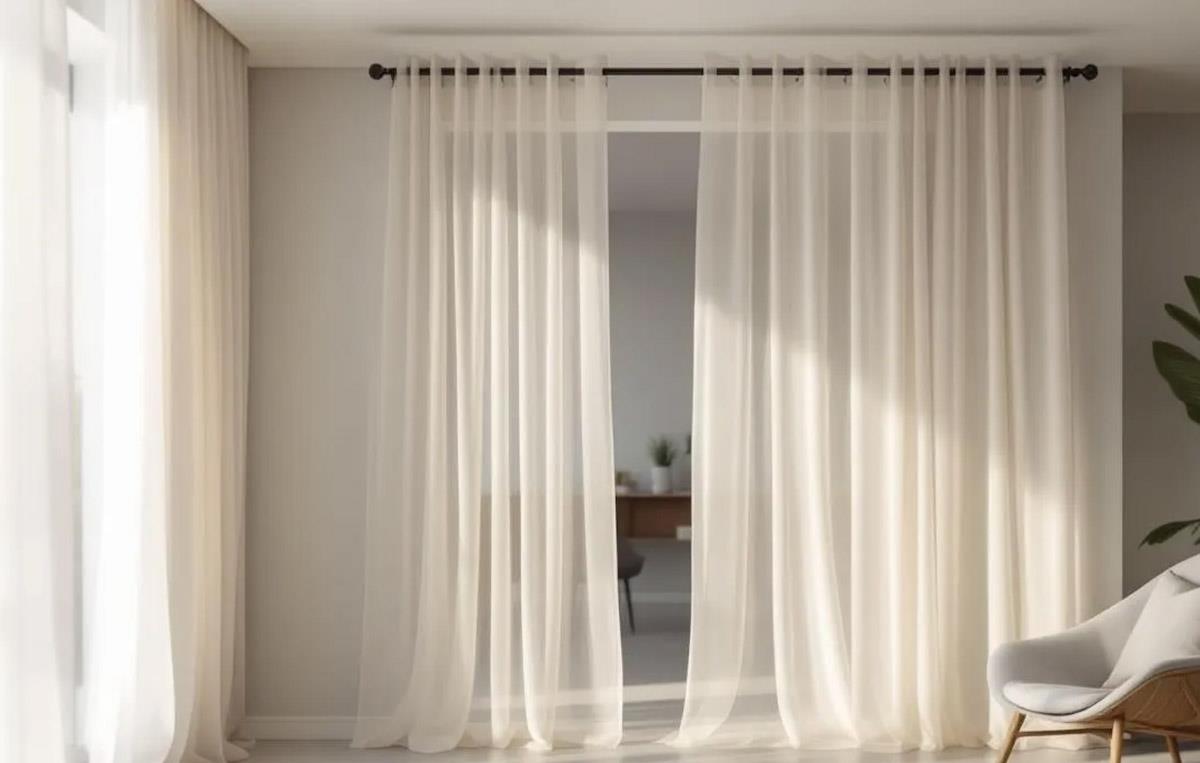
Polyester voile is the fabric most commonly used for sheer curtains Dubai homes, and for good reason. It is lightweight, drapes smoothly, and holds its shape well over time. Because it is synthetic, voile resists humidity and does not stretch or shrink the way natural fibers can when temperatures and moisture levels shift throughout the day. It is also fully machine washable, which matters a lot in a city where dust settles quickly on fabric. For bedrooms, living rooms, or any space where you want something that looks elegant without demanding constant care, voile is usually the easiest option to live with.
Linen Sheers: Beautiful but High Maintenance
Linen sheer curtains have a soft, natural texture that many homeowners love for their relaxed, organic look. The trade-off is that linen fibers absorb moisture and are more sensitive to sunlight than synthetic fabrics. In rooms that get strong afternoon exposure, linen sheers can show fading or texture changes sooner than voile. They also tend to need dry cleaning or careful hand washing rather than a quick machine cycle. If you love the linen look, it can still work well in rooms with softer light, such as north-facing spaces, but it may not be the most practical pick for a sun-facing balcony door or floor-to-ceiling window.
Organza and Other Sheer Options
Organza and similar crisp, slightly stiffer sheers are popular for their subtle shimmer and structured drape. They tend to hold pleats nicely and can look striking layered with heavier drapes. However, this type of fabric is often more delicate and less forgiving with frequent washing, so it suits homes where curtains are more decorative than functional, such as formal living rooms or a majlis area.
Think About UV Exposure Before You Buy
One thing many people overlook is that sheer curtains, by nature, offer limited protection from ultraviolet rays. Even the best sheer fabric will only block a portion of the sun’s intensity, which is why rooms with heavy east or west sun exposure often benefit from pairing sheers with a heavier curtain or blind for the hours when direct light is strongest. If UV protection and heat control are a priority for you, look for voile fabrics that mention UV-resistant treatment, and consider adding a blackout or thermal layer behind the sheer for bedrooms.
Color Choices That Work With Dubai’s Light
Dubai’s natural light tends to be warm and intense, which changes how fabric colors actually look once they are hung. A cool grey that seems elegant in a showroom can appear flat or slightly off under strong afternoon sun. Soft whites, warm ivories, and gentle sand tones generally read well throughout the day, while cooler greys or blues are worth testing as a sample in your own room before committing. If you’re choosing blackout curtains Dubai, checking the fabric under natural light is especially useful because the lining and thickness can affect how the color appears. It’s always a good idea to hold a fabric swatch up to your window at different times of day, since morning and afternoon light can make the same color look surprisingly different.
Dust and Maintenance in a Desert Climate
Dubai’s dry season and desert surroundings mean curtains collect fine dust faster than in most other climates. Fabrics with a smooth, plain weave, like standard voile, tend to show less dust buildup and are easier to wipe down or wash compared to heavily textured sheers. A light vacuum or shake every couple of weeks, along with a proper wash every few months, goes a long way toward keeping sheer curtains looking fresh rather than dull.
Matching Fabric to Room Orientation
It also helps to think room by room rather than choosing one fabric for the entire home. South and west-facing rooms deal with the strongest sun and benefit most from UV-treated voile or a layered setup. North-facing rooms, which get gentler, more indirect light, give you more flexibility to use linen or organza without worrying as much about fading. Kitchens and balconies, where humidity and quick temperature shifts are more common, are usually better suited to easy-care polyester voile than natural fibers.
Final Thoughts
There is no single fabric that works perfectly in every room, but understanding how each option responds to sun, humidity, and dust makes the decision much easier. For most homes across Dubai, a good quality polyester voile offers the best mix of appearance, durability, and low maintenance. If you are drawn to natural textures like linen, save them for softer-light rooms where they can shine without the daily wear of intense sun. Whatever you choose, testing a sample in your actual space, at the time of day it gets the most light, is the simplest way to avoid surprises once the curtains are finally up.