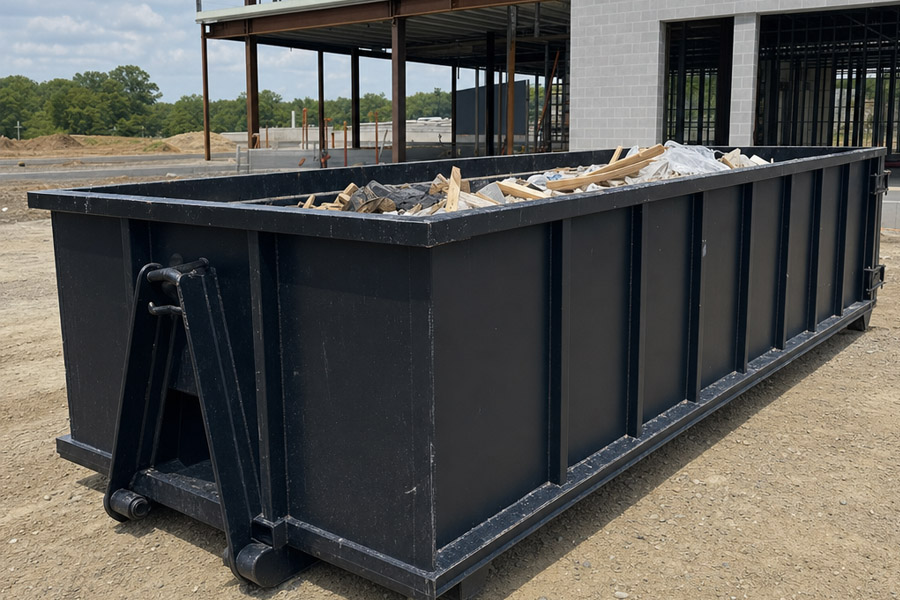
Choosing a container for a construction project is a practical decision with a direct effect on site organization, labor, and waste removal. A container that fills too quickly can interrupt work, while one that is much larger than needed may take up valuable space and add unnecessary cost. Before arranging a construction dumpster rental, estimate the type and amount of debris, consider its weight, and check how the container will fit into the jobsite plan.
There is no single size that suits every project. A kitchen renovation, a roofing job, and a new commercial build can produce very different waste, even if their footprints are similar. A reliable estimate starts with the materials and work scope, then accounts for loading conditions, weight limits, and access.
Define the project scope
Begin by listing what the crew expects to remove. “Interior renovation” is a broad description; a more useful one specifies whether the work includes drywall, flooring, cabinets, framing, fixtures, or masonry. For exterior work, note whether the project includes roofing, siding, concrete, fencing, landscaping, or excavation.
If the work covers several areas, break it into phases or zones. For example, a building renovation might have separate debris streams from interior demolition, roofing, and site work. This makes it easier to estimate each phase and identify materials that should not be mixed.
Include what will be salvaged, donated, recycled, or hauled separately. If doors, fixtures, or metal components are being set aside, they should not be counted as container waste. A clear inventory keeps the estimate grounded in the actual disposal plan.
Estimate volume and weight separately
Container capacity is generally described in cubic yards, which measure volume. That figure tells you how much space is available, but not how much weight the load can safely or contractually include. Both measurements matter.
Light, bulky debris such as packaging, wood offcuts, or drywall may fill a container before reaching its weight limit. Dense materials, including concrete, brick, tile, soil, and shingles, can approach weight limits while occupying less space. A project with a modest amount of concrete may require a different arrangement from a larger volume of lighter renovation debris.
When discussing the project with a provider, identify heavy materials specifically. Ask about the container’s weight allowance, the disposal rules for those materials, and whether a separate container or partial load is recommended. Do not assume that the same size is appropriate for every waste type.
Use size ranges as a starting point
Roll-off containers are often offered in several standard capacity ranges, but their dimensions and terms can vary by provider. The size label alone does not tell you whether a container will suit the job. Confirm its actual dimensions, usable capacity, weight limit, and loading requirements.
As a general planning guide, smaller containers may work for limited cleanouts or compact renovation tasks. Mid-sized options are often considered for room remodels, roofing work, and moderate construction debris. Larger containers may suit extensive demolition, new construction, or projects with high volumes of bulky material.
These are broad examples, not guarantees. A smaller job that produces concrete can be more demanding than a bigger job that generates mostly light packaging or wood. Treat size ranges as a way to begin the conversation, then refine the estimate using the project details.
Account for the materials’ shape and condition
The volume of debris depends partly on how it is broken down and loaded. Intact cabinets, long lengths of lumber, and large pieces of drywall can leave gaps or use space inefficiently. Smaller, stackable pieces may fit more compactly, but breaking down material takes time and may not be practical for every crew.
Consider how the material will likely enter the container during real work. A tidy, carefully stacked load may be possible in some situations, but demolition debris often arrives mixed and irregular. Estimate based on the crew’s normal process rather than assuming every item will be reduced and arranged for maximum capacity.
Also consider the order of work. If a container is filled with bulky material early, there may be little room for later debris. A loading plan can help reserve space for items that are harder to manage or determine whether separate containers are more practical.
Consider the jobsite and delivery route
Even a correctly sized container can create problems if it does not fit the site. Measure the planned placement area and inspect the delivery route. Check for narrow entrances, tight turns, overhead wires, low branches, gates, parked vehicles, and soft or uneven ground.
Ask the provider how much clearance the delivery vehicle needs to place and retrieve the container. The necessary space may extend beyond the container’s footprint. Confirm whether the surface can support the container and its contents, and whether protective boards or other precautions are advisable.
Placement should support the work rather than obstruct it. A container close to the demolition area can reduce carrying distance, but it should not block equipment access, material deliveries, emergency routes, or daily site traffic. Include placement in the project’s logistics plan before choosing a size.
If the container must be placed on a public street or another regulated area, check local permit requirements in advance. Rules can vary by location and may affect where or how long the container can remain.
Check material restrictions and disposal requirements
Not all construction waste can be placed together. Certain items may require special handling or may be prohibited in a standard container. These can include liquids, chemicals, batteries, electronics, some appliances, and materials suspected of containing hazardous substances.
Older buildings require particular care. Before disturbing suspect flooring, insulation, coatings, or other materials, determine whether testing or regulated removal is needed. A general construction container is not a substitute for proper handling of hazardous waste.
Sorting can also make the disposal plan more efficient. Depending on local facilities and project requirements, metal, clean wood, cardboard, or reusable fixtures may have recycling or salvage options. Decide what will be separated before demolition begins, and communicate the plan to the crew.
Build in a reasonable margin
Construction estimates are rarely exact. Opening a wall or floor may reveal extra layers, damaged materials, or previous repairs. Weather, changes to the scope, and variations in loading can also affect how quickly a container fills.
Allow some room for uncertainty, but do not automatically choose the largest available container. Compare the cost of extra capacity with the possible cost and disruption of arranging another pickup or container. Ask how additional weight, rental time, and extra service are handled so you can weigh the tradeoffs.
The container also needs to be loaded safely. Follow the fill line and do not allow material to protrude over the sides. A container that appears to have room for one more item may still be improperly loaded if the material is unbalanced or extends beyond its permitted limits.
Coordinate container service with the schedule
A container that arrives too early can occupy work or storage space. One that arrives too late may leave the crew without a practical place for debris. Match delivery and pickup timing to the project sequence, and account for the expected pace of demolition or construction.
For phased work, consider whether one container can serve the whole project or whether different debris types need separate arrangements. Ask how much notice is needed to schedule a pickup or exchange, and what happens if weather or a project delay changes the timeline.
Keep the foreman or site lead informed about the container’s limits and accepted materials. Clear instructions can prevent prohibited items from being loaded and help crews avoid unsafe overfilling.
Ask specific questions before booking
A useful estimate depends on accurate details. Share the project scope, materials, approximate quantities, placement location, and expected schedule. Then ask:
- What are the container’s dimensions and weight limit?
- Are there different requirements for concrete, masonry, soil, or shingles?
- Which materials are not accepted?
- How is excess weight handled?
- What clearance is required for delivery and pickup?
- How long is the rental period?
- How much notice is needed for a pickup or exchange?
- Are permits or placement restrictions likely to apply?
For complex jobs, photos, measurements, or an on-site review may help clarify the requirements. Be especially specific when the project includes multiple heavy materials or a large demolition scope.
Choose for the work, not just the label
Selecting the right jobsite container means balancing debris volume, material weight, loading practices, access, schedule, and cost. Capacity labels can help narrow down the options, but the project details determine whether a particular container is suitable.
A thorough estimate before work begins can reduce disruptions and make the site easier to manage. List the materials, identify heavy or restricted waste, confirm access and placement, and discuss the plan with the provider. With those details in place, crews can focus on the work while debris removal follows a clearer, safer process.