Generator cost changes significantly based on how long an outage lasts. A backup setup for a few hours has very different price drivers than one built to run through multi-day interruptions. Short outages usually emphasize lower equipment cost and enough capacity for essentials, while long outages bring fuel use, runtime, maintenance, and storage into the budget. To plan realistically, homeowners need to compare upfront purchase price with ongoing operating expense. Looking at outage length first makes it easier to choose the right generator size, backup type, and budget without paying for capacity or features they may not need.
How Outage Length Changes Generator Costs
Short Outages Favor Lower Runtime Requirements
Short outages usually make smaller, less expensive backup systems practical because runtime demands stay limited. If power typically drops for one to four hours, many households only need to support refrigeration, lighting, internet equipment, and device charging. That reduces both generator size and fuel storage needs. In these cases, buyers often prioritize lower purchase price, simple setup, and quiet operation over extended endurance. Portable units or battery systems can cover essential circuits without the cost of a large standby installation. The shorter the outage window, the less money usually needs to go toward long-duration fuel planning.
Long Outages Add Fuel and Operating Costs
Long outages shift generator cost from mainly upfront equipment to recurring operating expense. Once an outage stretches beyond several hours, fuel consumption becomes a major budget factor, especially for larger systems running refrigerators, HVAC equipment, sump pumps, and medical devices. Extended runtime may also require larger fuel tanks, more frequent refueling, or a backup energy storage system to reduce generator hours. Wear increases as well, which raises service needs over time. Planning for long outages means budgeting not just for power output, but for sustained operation, replenishment logistics, and dependable performance over days.
Compare the Costs Behind Each Backup Scenario
Equipment and Installation Costs
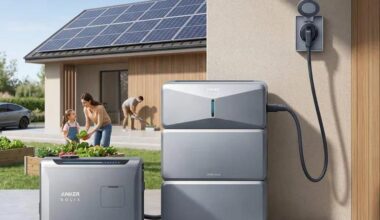
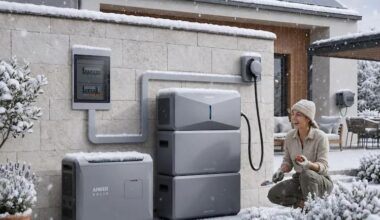
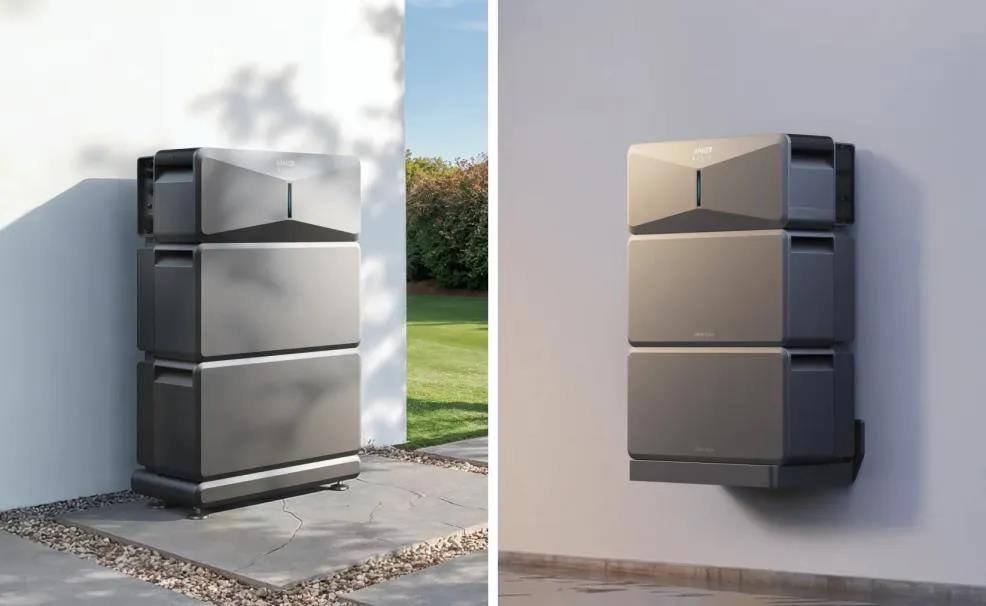
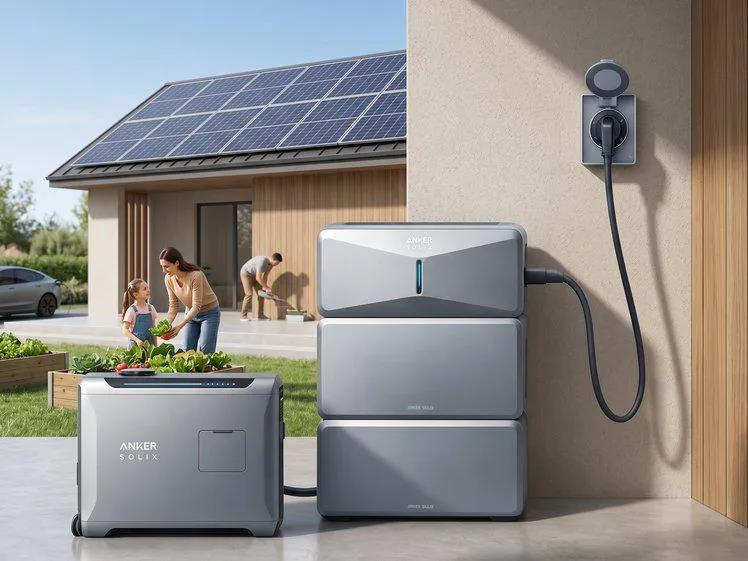
how much is a generator depends on type, wattage, and installation. A short-outage plan often uses a smaller portable unit or battery backup, which keeps purchase and setup costs lower. Long-outage coverage usually requires higher-capacity equipment, transfer switches, fuel storage, and professional installation, all of which raise the total budget. Battery systems can also fit this category when paired with solar or load management. Anker SOLIX E10 works with rooftop solar or standalone to store solar and off-peak power for use during peak periods. That flexibility can offset some installation and operating decisions for planned backup use.
Fuel and Recharging Costs
Fuel and recharging costs often create the biggest difference between short and long outage budgets. For brief interruptions, a small amount of fuel or a fully charged battery may cover essential loads with little added expense. During multi-day outages, however, fuel spending can climb quickly, especially if the system runs continuously or supports large appliances. Recharging time and energy availability also matter for battery-based backup. If solar input or off-peak charging is available, operating costs can be reduced. The longer the outage, the more important daily energy consumption becomes in the total cost calculation.
Maintenance and Long-Term Ownership Costs
Maintenance costs stay relatively modest for systems used occasionally during short outages, but they grow in importance when backup power becomes a frequent or extended need. Engine-based generators require oil changes, filter replacement, testing, and periodic servicing to stay reliable. More runtime means maintenance arrives sooner and components wear faster. Long-term ownership also includes battery replacement schedules, software updates for energy systems, and inspection of transfer equipment. Buyers comparing short and long outage solutions should factor in annual upkeep, not just purchase price. A cheaper unit can become more expensive if service demands rise with regular use.
Choose a Backup Budget Based on Outage Risk
Match Capacity to the Loads You Actually Need
A practical backup budget starts with the loads that truly matter during an outage. List essential equipment first, such as refrigeration, lights, communications, heating support, medical devices, or water pumps. Then estimate how many watts those items require to start and run. This approach prevents overspending on capacity that will rarely be used. For short outages, essential-load coverage is often enough. For longer events, households may decide to add comfort loads or partial-home backup. Budgeting around actual power needs creates a more accurate generator cost estimate and helps avoid buying an oversized system.
Balance Upfront Cost With Extended-Outage Expenses
The smartest backup budget weighs purchase price against the cost of running through a prolonged outage. A low-cost system may look attractive for occasional interruptions, but repeated refueling, maintenance, and limited runtime can make it more expensive over time. Spending more upfront on efficient storage, better load management, or integrated charging options can reduce total ownership cost for longer disruptions. Households in areas with frequent storms or grid instability should plan for endurance, not just initial affordability. When outage risk is low, a simpler and smaller backup setup often delivers the best value for the money.
Conclusion
Generator cost for short versus long power outages comes down to runtime, fuel use, maintenance, and how much of the home you need to support. Short outages usually justify a lower-cost solution sized for essentials, while long outages demand a broader budget that includes operating expense and reliability over time. The clearest way to control costs is to match backup capacity to real household priorities and expected outage duration. By comparing upfront equipment cost with fuel, recharging, and maintenance needs, homeowners can build a backup plan that is both financially practical and better prepared for future interruptions.