A wintry mix can disrupt home power systems faster than many homeowners expect. When snow, sleet, and freezing rain arrive together, they create layered hazards that damage power lines, slow repairs, and increase household electricity needs at the same time. That combination makes winter storms especially challenging for homes that rely on electric heat, internet service, refrigerated food, and charged devices. Understanding how mixed winter precipitation affects the grid helps you prepare more effectively. With the right backup power plan, you can protect essential loads and stay safer, warmer, and better connected during outages.
Why a Wintry Mix Can Disrupt Home Power
Ice Can Stress Trees and Power Lines
Freezing rain is often the most damaging part of a wintry mix because it coats surfaces with heavy ice. Tree limbs can bend or snap under that weight, falling onto service lines or utility equipment. Power lines also sag as ice accumulates, which increases strain on poles, transformers, and nearby hardware. Even a relatively short icing event can trigger scattered outages across neighborhoods. For homeowners, that means power loss may begin before snowfall becomes severe. Ice-related damage is also harder to fix quickly because crews must work around slippery roads, dangerous branches, and continuing precipitation.
Mixed Precipitation Can Extend Outage Risks
A wintry mix rarely arrives as one simple weather event. Understanding what is wintry mix helps homeowners recognize why conditions can shift between snow, sleet, and freezing rain over several hours, or even days, which can prolong stress on the grid. Snow can reduce access for repair crews, sleet can create hazardous road conditions, and refreezing can keep damaged infrastructure unstable after the main storm passes. That means outages may last longer than expected, especially in areas with widespread icing. Homeowners should plan for both immediate disruptions and delayed restoration, since utility crews may need extra time to inspect lines and safely complete repairs.
What Happens to Home Energy Needs During an Outage?
Heating Becomes a Critical Winter Load
During a winter outage, heating quickly becomes the most urgent energy need. Indoor temperatures can drop fast, especially in poorly insulated homes or during overnight cold. If your heating system depends on electricity for blowers, ignition, controls, or circulation pumps, it may stop working completely when the grid goes down. That raises the risk of frozen pipes, unsafe indoor conditions, and difficult recovery after power returns. Even homes with non-electric fuel sources often need some electrical support to run properly. Backup planning should prioritize heat-related loads first, because comfort and safety depend on them most.
Refrigeration, Lighting, and Communication Still Need Power
Heat is the top priority, but several other loads remain essential during winter outages. Refrigerators and freezers help preserve food and medicine, especially during outages that stretch beyond a few hours. Lighting becomes more important in storms that darken homes early, while phones, routers, and charging equipment support communication, weather updates, and emergency coordination. Sump pumps and security systems may also need power, depending on the home. These loads are smaller than whole-home heating, but they matter every day an outage continues. A good backup plan covers these practical needs without wasting stored energy.
Longer Outages Increase Required Backup Capacity
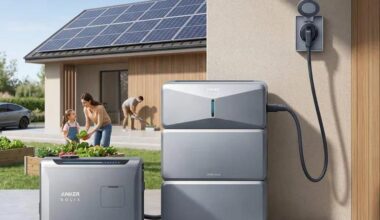
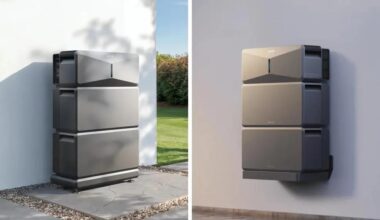
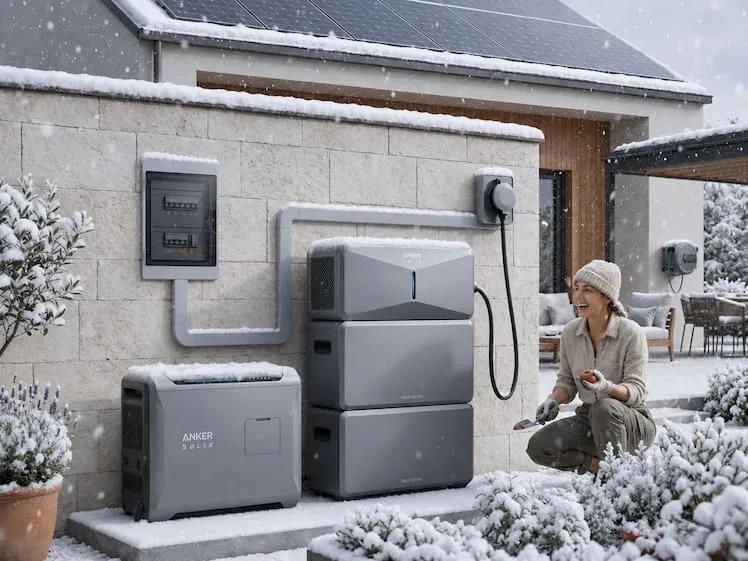
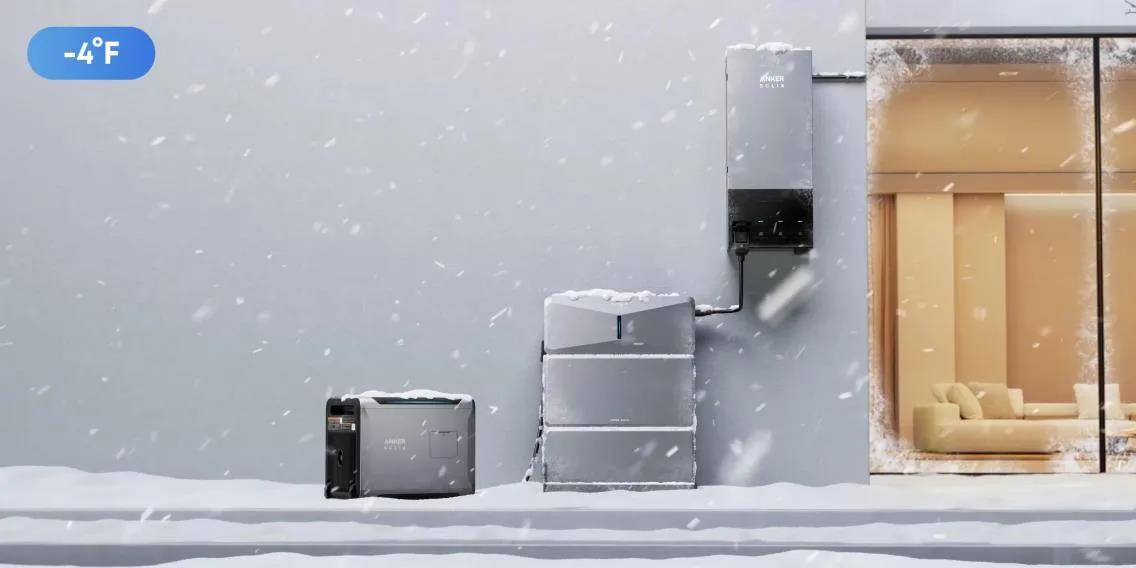
As outage duration increases, the amount of backup energy your home needs rises sharply. A short interruption may only require power for lights, charging, and refrigeration, but a multi-day winter outage demands more careful load management. Heating support, repeated appliance use, and constant communication all draw from stored energy over time. This is where expandable backup systems can make a real difference. Anker SOLIX E10 offers 6-90kWh battery expandability, 9-27kW solar input, and ≤20ms seamless switchover. It also proactively monitors severe weather and charges itself to full capacity using solar and grid power.
 Prepare Your Home Power System for Mixed Winter Weather
Set Aside Backup Capacity for Essential Loads
Start by identifying the circuits and devices your home cannot go without during a winter outage. In most cases, that list includes heating equipment support, refrigeration, a few lights, internet gear, phone charging, and any medically necessary devices. Once you know your priorities, reserve backup capacity for those loads rather than trying to power everything at once. This approach stretches available energy and reduces the chance of draining your system too quickly. Test your plan before winter arrives so you know what runs, how long it lasts, and where adjustments are needed.
Prepare for Outages That Last Beyond the Storm
Mixed winter weather often causes problems that continue after precipitation ends, so prepare for extended outages rather than only the storm itself. Keep batteries charged, confirm fuel or energy reserves, and review how your home will operate for at least several days without utility power. Store flashlights, warm clothing, shelf-stable food, and backup charging options in easy-to-reach locations. It also helps to sign up for weather and utility alerts so you can act early. The best time to prepare is before ice forms, roads worsen, and restoration timelines become longer than originally expected.
Conclusion
A wintry mix affects home power systems by creating two problems at once: it increases the chance of grid failure and raises the amount of electricity a household needs to stay safe. Ice can damage lines and trees, while snow and sleet can delay repairs and extend outages. At the same time, heating, refrigeration, lighting, and communication become more important than ever. The most effective response is to plan essential loads in advance and secure enough backup capacity to handle a longer winter interruption. With preparation, your home can stay more resilient through mixed winter weather and recovery.