Comparing Primary Types of Residential HVAC Solutions
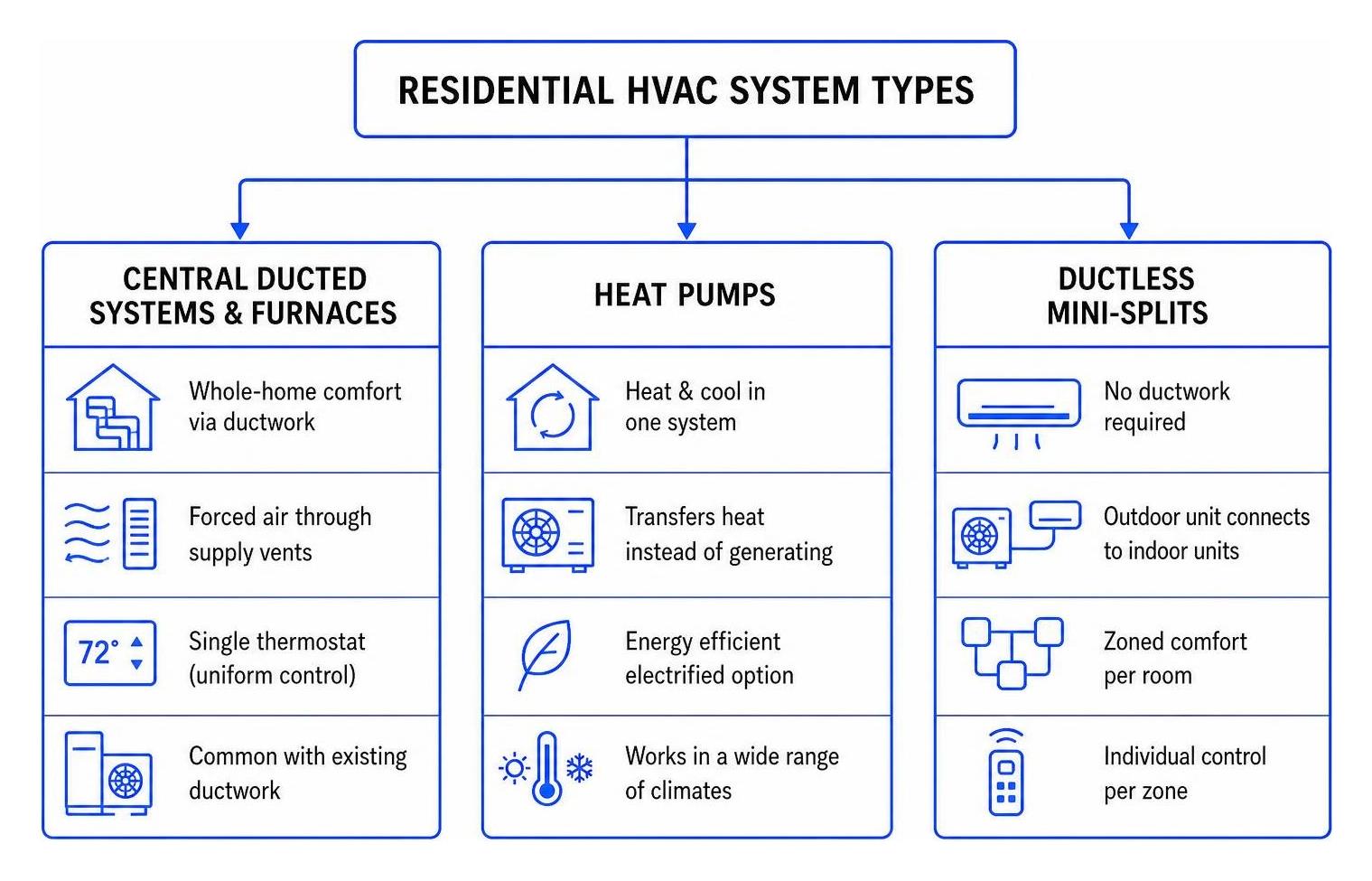
When considering residential HVAC solutions, homeowners encounter a diverse range of systems, each with unique advantages tailored to different needs and home structures. Understanding these primary types—ducted central systems, heat pumps, and ductless mini-splits—is crucial for making an informed decision. These systems vary in their distribution methods, energy efficiency, and ability to provide zoned comfort.
The choice often comes down to balancing initial investment, long-term energy savings, and specific comfort requirements. Modern systems are increasingly designed for versatility, offering solutions that can integrate into existing homes or provide flexible options for new constructions. Evaluating factors like SEER2 (Seasonal Energy Efficiency Ratio 2) ratings, which indicate cooling efficiency, and HSPF2 (Heating Seasonal Performance Factor 2) for heating efficiency, is essential for predicting operational costs.
Central Ducted Systems and Furnaces
Traditional central ducted systems remain a popular choice, especially in homes with existing ductwork. These systems typically consist of a central furnace (often gas or electric) for heating and a central air conditioning unit for cooling. They operate on a “forced air” principle, distributing conditioned air through a network of ducts to vents located throughout the home.
The efficiency and effectiveness of a central ducted system heavily rely on the integrity of its ductwork. Leaks or poor insulation in ducts can lead to significant energy loss. While offering whole-home conditioning from a single thermostat, they generally provide uniform temperature control across all connected spaces, which can sometimes lead to energy waste in unoccupied rooms. Modern central air conditioning units and gas furnace models have significantly improved in energy efficiency, but their fundamental operation remains consistent.
Multi-Zone Residential HVAC Solutions for Custom Comfort
For homeowners seeking more precise temperature control and enhanced energy efficiency, multi-zone residential HVAC solutions offer a compelling alternative. These systems, often built around heat pump technology, allow for individual temperature settings in different areas of the home, known as zones. This means you can keep a bedroom cooler at night while maintaining a warmer temperature in a living area during the day, significantly reducing energy consumption by not conditioning unoccupied spaces.
Multi-zone systems commonly utilize ductless mini-split technology, which includes various indoor unit styles such as wall-mounted air handlers, ceiling cassettes, and even concealed ducted units. Ceiling cassettes and concealed ducted units offer an aesthetically pleasing option, as they are largely hidden from view, providing quiet operation and uniform comfort without visible indoor components. Wall-mounted units, while more visible, are versatile and easy to install. Many of these systems feature low-ambient heating capabilities, ensuring effective warmth even in extremely cold climates, making them suitable for year-round comfort.
Modern Low-GWP Refrigerants in Residential HVAC Solutions
The HVAC industry is continually evolving, driven by advancements in technology and increasing environmental awareness. A significant trend in modern residential HVAC solutions is the adoption of low-GWP (Global Warming Potential) refrigerants, such as R454B. This transition is in response to global environmental standards and regulations aimed at reducing the climate impact of refrigerants.
R454B is designed to be a more eco-friendly alternative to older refrigerants like R410A, offering a substantial reduction in global warming potential without compromising system performance. For homeowners, this means that newer heat pump systems utilizing R454B refrigerant are not only more environmentally responsible but also maintain high levels of heating and cooling efficiency. This commitment to sustainable technology ensures that your home’s climate control aligns with broader environmental goals, contributing to a healthier planet while delivering optimal indoor comfort and seasonal efficiency.
Sizing and BTU Capacity Calculations for Home Comfort
Choosing the right size and BTU (British Thermal Unit) capacity for your home’s HVAC system is paramount for achieving optimal comfort and energy efficiency. An undersized system will struggle to adequately heat or cool your home, leading to continuous operation, higher energy bills, and premature wear. Conversely, an oversized system will cycle on and off too frequently (short-cycling), resulting in uneven temperatures, excessive humidity, and reduced lifespan.
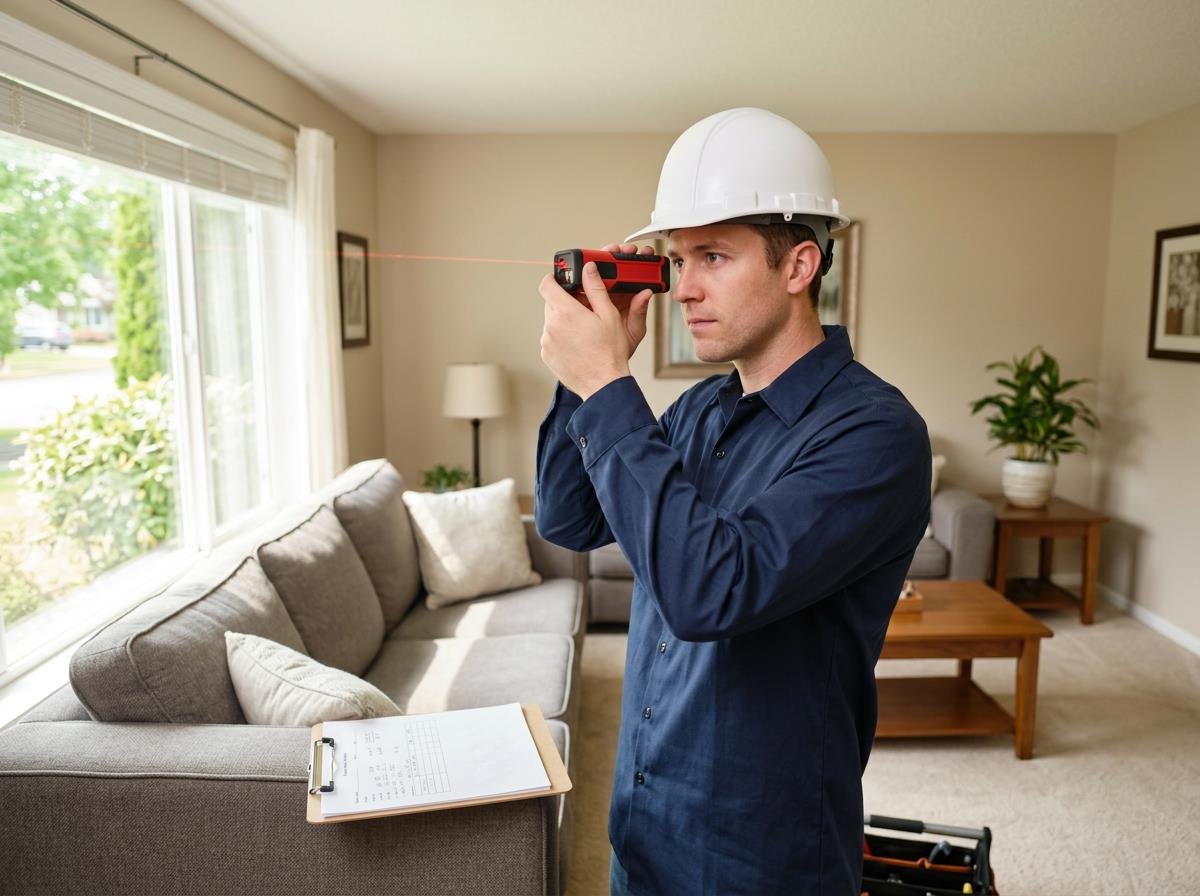
Accurate sizing goes beyond simply looking at square footage. It involves a detailed assessment of your home’s unique characteristics. Professionals typically use a Manual J load calculation, which is the industry standard for determining heating and cooling loads. This comprehensive analysis considers various factors to ensure your residential HVAC solutions are perfectly matched to your property’s specific needs.
Determining Square Footage and Room Load
While a general guideline often suggests approximately 20 BTU per square foot for heating and cooling, this is merely a starting point. A precise calculation of room load requires considering several critical elements:
- Total Square Footage:The overall area of the spaces to be conditioned is the foundational measurement.
- Window Exposure:The number, size, and type of windows, especially those facing south or west, significantly impact heat gain and loss.
- Ceiling Height:Higher ceilings mean a larger volume of air to condition, requiring more BTU capacity.
- Insulation Levels:The quality of insulation in walls, attics, and floors directly affects how well your home retains or rejects heat.
- Climate Zones:Local climate conditions, including average temperatures and humidity levels, play a major role.
- Occupancy:The number of people typically occupying a space contributes to the heat load.
- Appliances and Lighting:Heat-generating appliances and lighting fixtures add to the internal heat load.
- Thermal Envelope:The overall construction and airtightness of your home contribute to its thermal performance.
A thorough assessment of these factors helps prevent common sizing mistakes and ensures your system operates efficiently.
Understanding Efficiency Ratings (SEER2 and HSPF2)
Beyond BTU capacity, understanding efficiency ratings is key to long-term energy savings. These ratings provide a standardized way to compare the energy performance of different HVAC systems:
- SEER2 (Seasonal Energy Efficiency Ratio 2):This rating measures the cooling efficiency of an air conditioner or heat pump over an entire cooling season. A higher SEER2 number indicates greater efficiency, meaning the system uses less electricity to produce the same amount of cooling. As of 2023, new minimum SEER2 standards were introduced by the U.S. Department of Energy, making it even more important to look for these updated ratings.
- HSPF2 (Heating Seasonal Performance Factor 2):Similar to SEER2, HSPF2 measures the heating efficiency of a heat pump over an entire heating season. A higher HSPF2 rating signifies that the heat pump is more efficient at converting electricity into heat, especially important for cold climate performance.
Many high-efficiency systems incorporate DC inverter technology. This allows the compressor to vary its speed, rather than simply turning on and off, which leads to more consistent temperatures, quieter operation, and significantly reduced energy consumption compared to fixed-speed systems. For instance, some advanced systems can reduce power consumption by up to 30% through this technology, offering substantial seasonal efficiency improvements.
Smart Controls, Financial Incentives, and Energy Savings
In the quest for optimal comfort and reduced utility bills, modern residential HVAC solutions are increasingly integrating smart controls and offering attractive financial incentives. These advancements empower homeowners to manage their climate control systems with unprecedented precision and capitalize on opportunities to save money on both upfront costs and long-term energy consumption.
Investing in ENERGY STAR® certified HVAC products is a smart move, as they are designed to deliver significant energy savings. These products undergo rigorous testing to meet strict energy efficiency guidelines set by the U.S. Environmental Protection Agency. The benefits extend beyond lower monthly bills, often including eligibility for various rebates and tax credits.
Smart Mobile Controls and Automation
The advent of smart technology has revolutionized how we interact with our home comfort systems. Wi-Fi thermostats and dedicated smart apps (such as LG ThinQ®, DELLA+, or MRCOOL SmartHVAC) put control directly into your hands, no matter where you are. These smart mobile controls offer a suite of features designed to enhance comfort and efficiency:
- Automated Scheduling:Program your system to adjust temperatures based on your daily routine, ensuring comfort when you’re home and saving energy when you’re away.
- Remote Management:Adjust settings, change modes, or check system status from your smartphone, even when you’re not physically present in your home.
- Geolocation:Some systems can detect when you’re leaving or approaching your home, automatically adjusting temperatures to save energy or ensure comfort upon arrival.
- Energy Usage Tracking:Monitor your energy consumption patterns, helping you identify opportunities for further savings.
- Voice Controls:Integrate with smart home assistants like Amazon Alexa or Google Assistant for hands-free temperature adjustments.
These intelligent features not only simplify HVAC management but also contribute significantly to reducing your overall energy footprint by ensuring your system only runs when and where it’s needed.
Leveraging ENERGY STAR Rebates and Tax Incentives
Upgrading to energy-efficient residential HVAC solutions can unlock substantial financial benefits. ENERGY STAR® certified products are a gateway to these savings, offering homeowners the potential to save up to 20% on energy costs compared to conventional products. Beyond the immediate energy bill reduction, several programs and incentives are available:
- Federal Tax Credits:As of August 2026, the Inflation Reduction Act (IRA) continues to offer significant tax credits for homeowners who install qualifying high-efficiency HVAC equipment, such as heat pumps. These credits can offset a portion of the installation costs, making upgrades more affordable.
- Utility Rebates:Many local utility companies offer rebates for installing ENERGY STAR® certified heating and cooling systems. These programs vary by region, so it’s advisable to check with your local provider for specific offerings.
- State and Local Incentives:Beyond federal and utility programs, states and municipalities may also provide their own incentives, grants, or loan programs for energy-efficient home improvements.
By actively seeking out and utilizing these rebates and tax incentives, homeowners can significantly reduce the upfront cost of upgrading to advanced, energy-efficient HVAC systems, leading to a faster return on investment and long-term savings.
System Maintenance and Professional Installation Standards
Ensuring the longevity and optimal performance of your residential HVAC solutions hinges on two critical factors: consistent preventative maintenance and professional installation. Neglecting either can lead to costly repairs, reduced efficiency, and a shortened system lifespan. A well-maintained system operates more reliably, consumes less energy, and provides consistent comfort throughout your home.
When it comes to the complex world of HVAC, the expertise of a qualified professional is indispensable. From selecting the right system to meticulous installation and ongoing care, partnering with reputable experts ensures your investment delivers maximum value and peace of mind. For those seeking comprehensive HVAC solutions, it’s always wise to consult with established service providers who understand the nuances of various systems and can offer tailored advice.
Essential Maintenance Routines for System Lifespan
Regular maintenance is not just about fixing problems; it’s about preventing them. Adhering to essential maintenance routines can significantly extend the lifespan of your HVAC system and maintain its efficiency:
- Air Filter Replacement:This is arguably the simplest yet most crucial maintenance task. Dirty filters restrict airflow, forcing your system to work harder, which increases energy consumption and can lead to mechanical issues. We recommend checking filters monthly and replacing them every 1-3 months, depending on usage and household conditions (pets, allergies, etc.).
- Coil Cleaning:The evaporator coil (indoor) and condenser coil (outdoor) are vital for heat exchange. Over time, they can accumulate dirt and debris, hindering their ability to transfer heat efficiently. Professional cleaning of these coils is essential, typically performed during annual tune-ups.
- Spring Tune-Ups:Scheduling a professional tune-up in the spring prepares your air conditioning system for the summer heat. This includes checking refrigerant levels, electrical connections, and overall system operation.
- Condensate Drain Lines:These lines remove moisture from your home. If they become clogged, water can back up, leading to leaks, water damage, and increased humidity. Regular inspection and cleaning can prevent these issues.
- Emergency Repairs:While routine maintenance minimizes emergencies, unexpected breakdowns can occur. Having a reliable HVAC service provider on call for prompt emergency repairs is essential to restore comfort quickly.
What to Look for in a Qualified HVAC Installer
The quality of your HVAC installation directly impacts its performance and longevity. Choosing the right contractor is as important as choosing the right equipment. Here’s what to look for:
- Licensing and Insurance:Always verify that the contractor is properly licensed and insured. This protects you from liability in case of accidents or improper work.
- Local Reputation:Seek out contractors with a strong local reputation, positive customer reviews, and a history of reliable service. Word-of-mouth referrals can be invaluable.
- Electrical Compliance:HVAC installations involve complex electrical work. Ensure the installer is knowledgeable about local electrical codes and, if necessary, works with a licensed electrician to ensure safety and compliance.
- Line Set Installation:For mini-split systems, proper line set installation (the copper tubing connecting indoor and outdoor units) is crucial. This includes correct sizing, insulation, and ensuring leak-free connections, especially when dealing with pre-charged lines.
- Warranty and Guarantees:A reputable installer will stand behind their work with warranties on both parts and labor. They should also clearly explain the manufacturer’s warranty for the equipment.
For expert HVAC installation and ensuring your system is set up for peak performance, it’s always beneficial to partner with professionals who prioritize quality and customer satisfaction.
Frequently Asked Questions About Residential Heating and Cooling
Navigating residential HVAC solutions can bring up many questions for homeowners. We’ve compiled answers to some of the most frequently asked questions to help clarify common concerns about home heating, cooling, and HVAC troubleshooting.
What size HVAC system do I need for a 1,500 square foot home?
For a 1,500 square foot home, a general rule of thumb suggests needing approximately 30,000 BTUs (2 tons) of cooling capacity. However, this is a very basic estimate. As discussed earlier, proper BTU sizing requires a comprehensive heat load assessment, often performed using a Manual J calculation. This calculation takes into account factors like your home’s insulation, window types and exposure, ceiling height, local climate factor, and the number of occupants. An HVAC professional will conduct this detailed assessment to recommend the precise system size needed to ensure optimal comfort and efficiency for your specific home.
How do low-ambient heat pumps work in extreme cold weather?
Traditional heat pumps can lose efficiency in very cold temperatures, but modern low-ambient heat pumps are specifically engineered to provide effective heating even in extreme cold weather. These advanced systems incorporate specialized components, such as enhanced compressors, variable-speed technology (DC inverter technology), and sophisticated defrost cycles.
While conventional heat pumps might struggle below 30°F, low-ambient models can maintain 100% heating capacity down to 5°F and continue to operate effectively, providing warmth down to outdoor operational limits as low as -13°F or even -22°F for some high-performance units. This impressive cold climate performance is achieved by efficiently extracting heat from the cold outdoor air and transferring it indoors, making them a viable and energy-efficient heating solution for many northern climates.
What are the financial benefits of upgrading to an ENERGY STAR certified system?
Upgrading to an ENERGY STAR® certified HVAC system offers several significant financial benefits for homeowners:
- Energy Bill Reduction:ENERGY STAR® certified products are designed to be more energy-efficient, meaning they consume less electricity or fuel to heat and cool your home. This translates directly into lower monthly utility bills, with potential savings of up to 20% compared to conventional products.
- Federal Tax Credits:As of August 2026, the Inflation Reduction Act continues to provide federal tax credits for homeowners who install qualifying high-efficiency HVAC equipment, such as ENERGY STAR® certified heat pumps. These credits can help offset a portion of your initial investment.
- Utility Rebates:Many local utility companies offer rebates and incentives for homeowners who upgrade to energy-efficient systems. These programs vary by region and can provide additional savings.
- Long-Term ROI:While the initial investment for an ENERGY STAR® certified system might be higher, the combination of energy savings, tax credits, and rebates often leads to a faster return on investment (ROI) and significant long-term savings over the lifespan of the system.
These financial incentives, combined with enhanced comfort and reduced environmental impact, make upgrading to an ENERGY STAR® certified system a wise investment for your home.
Conclusion
Choosing the right residential HVAC solutions is a pivotal decision that impacts your home’s comfort, energy efficiency, and long-term value. By understanding the various system types—from central ducted units to versatile multi-zone mini-splits—and considering factors like BTU capacity, efficiency ratings (SEER2 and HSPF2), and the benefits of modern refrigerants, you can make an informed choice tailored to your specific needs.
Embracing smart controls and leveraging available financial incentives, such as ENERGY STAR® rebates and federal tax credits, can further enhance your comfort while significantly reducing operational costs. Crucially, partnering with qualified professionals for both system selection and expert installation, alongside committing to regular maintenance, ensures your HVAC system performs optimally for years to come. A well-chosen and properly cared-for system provides not just heating and cooling, but lasting comfort and substantial savings for your home.