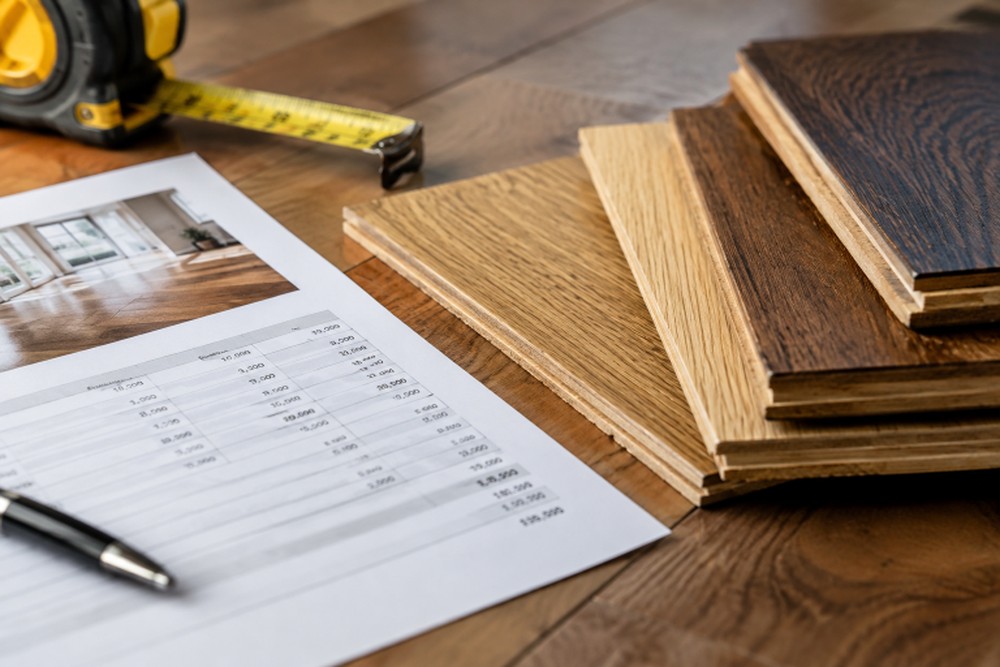
Planning a wood floor project in Colorado means looking beyond color samples and plank widths. From snowy entryways along the Front Range to dry, heated interiors in Denver, Fort Collins, and mountain communities, local conditions can affect how a floor performs over time. Homeowners considering hardwood flooring Colorado should begin with the room, the home’s moisture conditions, and a realistic scope of work.
1. Start With the Room
A floor should fit daily life, not just a design board. A quiet upstairs bedroom may allow wider planks and a lighter finish, while a busy mudroom-adjacent hall may need a finish and color that make tracked-in grit less noticeable. Consider foot traffic, dogs, children, furniture, direct sun, exterior doors, and proximity to kitchens or bathrooms before selecting materials.
Colorado homes often contend with wet boots, road grit, and snowmelt during colder months. Entry mats, a designated shoe area, and prompt cleanup can protect any wood floor, especially near doors leading to garages, patios, or ski storage areas.
2. Choose the Right Type of Hardwood
Solid hardwood is milled from a single piece of wood and can offer more refinishing opportunities over its service life. Engineered hardwood has a real wood surface over layered construction, which can make it a practical option for certain subfloors or spaces where seasonal movement is a concern. A balanced overview of hardwood flooring types, finishes, and maintenance can help narrow the choices before samples are ordered.
Other Choices That Affect the Result
- Prefinished boards can reduce the amount of finishing work completed inside the home.
- Site-finished floors allow more control over stain color, sheen, and seam appearance.
- Wood species, board width, texture, and finish all affect how visible everyday wear becomes.
3. Set a Realistic Budget
The price of flooring is only one part of the project. Build the budget around the complete installation, including material delivery, old-floor removal, disposal, underlayment, subfloor leveling or repairs, trim, transitions, stair parts, labor, and extra material for cuts and future repairs. If furniture must be moved or stored, include that as well.
Request an itemized estimate rather than relying on a single total. It is easier to compare proposals when each one clearly identifies what is included and which conditions could create added work.
4. Check the Subfloor and Moisture
A new hardwood floor cannot solve a damp, uneven, weak, or noisy subfloor. Before installation, inspect for soft areas, movement, stains, squeaks, visible damage, floor vents, pipes, doorways, and stair edges. The flooring product’s installation instructions should guide moisture testing, flatness requirements, and acclimation procedures.
Wood responds to changing moisture and temperature. Because Colorado homes can experience dry winters and variable conditions between seasons, maintain normal living conditions during acclimation and follow the flooring manufacturer’s specific instructions instead of relying on a one-size-fits-all timeline.
5. Prepare the Home
Good preparation protects belongings and keeps the project moving. About a week before work begins, remove furniture, decorations, plants, and fragile items from the work area. Clear closets and nearby shelves, identify a safe space for children and pets, and confirm who will disconnect appliances or move especially heavy items.
Ask in advance how dust, noise, ventilation, and access routes will be handled. A room that is not ready on installation day can delay work even when the flooring materials have arrived.
6. Compare Installation Methods
Installation method depends on the product, subfloor, room location, and manufacturer requirements. Nail-down and staple-down methods are commonly used for suitable wood subfloors. Glue-down installation is often used for particular engineered products, while some engineered floors are designed to float above an underlayment. A detailed hardwood floor installation process illustrates why layout, fastening, and preparation must work together. In Colorado’s dry, high-elevation climate, installers often pay close attention to moisture readings and acclimation requirements before recommending a method.
7. Plan Layouts, Trim, and Transitions
Small details strongly shape the finished appearance. Confirm plank direction, doorway transitions, baseboard plans, vent treatments, cabinet edges, stair noses, and how new flooring will meet adjoining rooms. Board direction may follow room proportions, structural considerations, existing flooring, or a main sightline. Decide these details before materials are ordered, particularly when using patterns, borders, or mixed-width boards.
8. Manage Installation Day
Expect material inspection and staging; removal of old flooring, when included; subfloor preparation; layout; installation; trim work; and cleanup. Site-finished projects may also involve sanding and finishing. Before the crew leaves, review transitions, visible boards, trim, and any agreed repairs. In Colorado, where snow and road grit are often carried indoors, ask that entry areas be protected and cleaned during the final walkthrough. Follow product guidance for when normal traffic, rugs, and heavy furniture can return.
9. Care for the New Floor
Daily prevention is simpler than repair. Use mats at exterior doors, place soft pads under furniture legs, lift rather than drag furniture, and clean spills promptly. Use only products approved for the floor’s finish, avoid excess water and harsh chemicals, and do not assume steam cleaning is appropriate. Sunlight, age, and seasonal conditions can subtly change natural wood, but consistent care helps limit uneven wear.
10. Questions to Ask Before Work Begins
- Who handles furniture moving, disposal, trim, and cleanup?
- Will the subfloor be inspected and moisture-tested when required?
- What repairs, materials, and transitions are included in writing?
- Which installation method is recommended, and why?
- When can furniture, rugs, pets, and regular foot traffic return?
- What care instructions and warranty documentation will be provided?
Make the Plan Before Ordering Materials
A successful Colorado hardwood floor project begins before the first board is delivered. By matching the floor to the room, accounting for moisture and subfloor conditions, defining the complete budget, and planning aftercare, homeowners can make choices that fit both their home and their everyday routine.