Plumbing problems are not always easy to identify. While a leaking faucet or blocked sink may be noticeable, issues deep inside underground drainage pipes can remain hidden until they develop into serious problems. Slow drainage, recurring blockages, unpleasant odours, and unexpected backups are often signs that something is wrong within the drainage system. Fortunately, modern inspection technology allows plumbing professionals to investigate these issues without immediately digging up the property or removing sections of pipe.
Two useful tools in this process are a drain camera and a sewer camera. Both help technicians examine the inside of drainage pipes, locate potential damage, and determine the most appropriate repair method. By providing a clear view of otherwise inaccessible areas, these inspection tools make plumbing diagnosis more accurate and efficient.
Understanding How Drain Camera Inspections Work
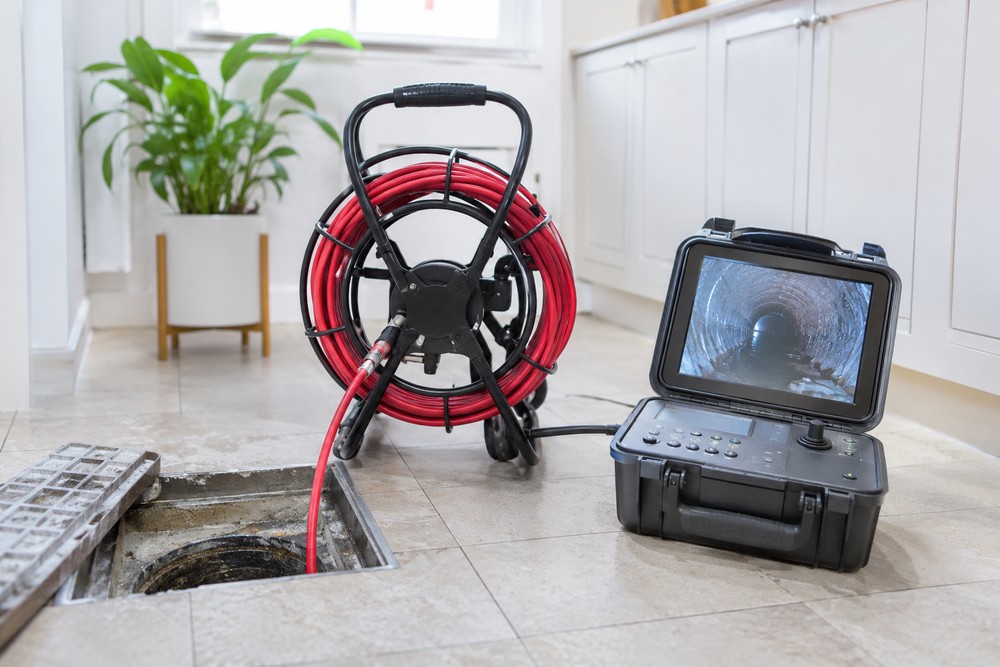
A drain camera is a specialised inspection device designed to examine the interior of drainage pipes. It typically consists of a small waterproof camera attached to a flexible cable that can travel through bends and narrow sections of a plumbing system. The camera sends live video footage to a monitor, allowing technicians to inspect the condition of the pipe as it moves through the drainage network.
This technology is particularly useful when a property owner experiences repeated drain blockages without knowing their exact cause. Instead of relying entirely on guesswork, a plumber can guide the camera through the affected pipe and identify what is happening inside.
Common problems that can be detected include accumulated grease, hair, soap residue, foreign objects, mineral deposits, and damaged pipe sections. In some cases, inspections may also reveal cracks, displaced joints, or areas where tree roots have entered the drainage system.
One of the biggest advantages of this approach is that it reduces unnecessary disruption. Traditional troubleshooting methods may involve extensive investigation or exploratory digging. A camera inspection can help narrow down the location and nature of the problem before any repair work begins.
Why Sewer Camera Inspections Are Important
Underground sewer lines play an essential role in carrying wastewater away from residential and commercial properties. Because these pipes are usually buried beneath driveways, gardens, floors, and other structures, identifying problems can be challenging.
A sewer camera is specifically designed to inspect these drainage lines and provide visual information about their internal condition. Similar to a drain inspection camera, it uses a waterproof camera connected to a flexible cable or specialised inspection equipment. Depending on the pipe size and layout, technicians can examine longer sections of the sewer system and investigate areas that would otherwise be difficult to access.
A sewer camera inspection can reveal several types of problems. Tree root intrusion is a common example, particularly in older properties where roots may enter through small cracks or loose pipe connections. Once inside, roots can grow and collect debris, eventually restricting wastewater flow.
The inspection may also identify collapsed pipes, corrosion, separated joints, and substantial obstructions. These findings help plumbing professionals understand whether the issue requires cleaning, a localised repair, or more extensive pipe replacement.
For property owners, this information is valuable because it provides a clearer picture of the sewer system’s condition before committing to expensive repair work.
Common Warning Signs That Indicate a Camera Inspection May Be Needed
Not every drainage issue requires a camera inspection, but certain symptoms suggest that a deeper investigation may be worthwhile.
Recurring drain blockages: If the same drain becomes blocked repeatedly despite professional cleaning, there may be an underlying issue inside the pipe.
Slow drainage throughout the property: When several sinks, toilets, or floor drains begin draining slowly, the problem may involve a shared drainage or sewer line rather than an individual fixture.
Unpleasant sewer odours: Persistent sewage smells around drains or outdoor areas may indicate a damaged pipe, blockage, or drainage issue that needs professional attention.
Unusual sounds from plumbing fixtures: Gurgling noises from toilets and drains can sometimes indicate restricted airflow or a developing blockage within the drainage system.
Wet patches in the yard: Unexpectedly damp areas, unusual vegetation growth, or persistent water pooling above underground pipes may warrant further investigation.
These symptoms do not automatically confirm sewer line damage. However, they provide good reasons to have the drainage system assessed by a qualified plumbing professional.
The Benefits of Using Camera Technology Before Repairs
One of the main advantages of camera-based inspections is the ability to make decisions using visual evidence rather than assumptions. This can improve the overall repair process in several ways.
First, it helps identify the actual location of a problem. Instead of excavating a large section of a yard or removing flooring to investigate a suspected issue, technicians can use the camera footage to narrow down the affected area.
Second, it supports more accurate repair planning. A simple obstruction may only require professional drain cleaning, while a cracked or collapsed pipe may need structural repair. Understanding the difference helps prevent unnecessary work.
Third, camera inspections can be useful for preventative maintenance. Property owners who manage older buildings or commercial facilities may benefit from periodic inspections to identify developing problems before they cause major disruptions.
The footage can also provide a useful record of pipe conditions. This may help property owners compare inspection findings over time, particularly when monitoring ageing drainage infrastructure.
What to Expect During a Professional Drain or Sewer Inspection
A professional camera inspection generally begins with an assessment of the reported drainage problem. The technician identifies a suitable access point, which may be a cleanout, drain opening, or another appropriate entry point.
The camera is then carefully guided through the pipe while live footage is displayed on a monitor. As the inspection progresses, the technician looks for obstructions, structural damage, root intrusion, and other signs of deterioration.
Some inspection systems also include distance counters and locating equipment. These features can help technicians estimate how far an issue is from the access point and, where supported, identify its position underground.
Once the inspection is complete, the findings can be explained to the property owner. Depending on the results, recommended solutions may include drain cleaning, root removal, pipe lining, targeted repairs, or replacement of severely damaged sections.
It is important to remember that camera footage needs to be interpreted correctly. Standing water, heavy deposits, and limited access can sometimes affect visibility, so additional investigation may be necessary in certain situations.
Making Better Decisions About Your Drainage System
Hidden drainage problems can become expensive when they are left untreated. A relatively minor obstruction may eventually contribute to repeated backups, property damage, or more extensive pipe deterioration. The challenge is knowing what is happening inside the system before deciding how to address it.
A drain camera provides a practical way to investigate problems within individual drainage pipes, while a sewer camera helps professionals examine underground sewer lines and identify issues that may affect the wider drainage network.
Both technologies have made plumbing inspections more informed and less disruptive. For homeowners, landlords, and commercial property managers, arranging a professional camera inspection when warning signs appear can help identify problems earlier, support appropriate repair decisions, and protect the long-term performance of the drainage system.
Ultimately, understanding the condition of underground pipes is an important part of responsible property maintenance. With the right inspection equipment and professional guidance, even problems hidden deep within a drainage system can be investigated with greater confidence.