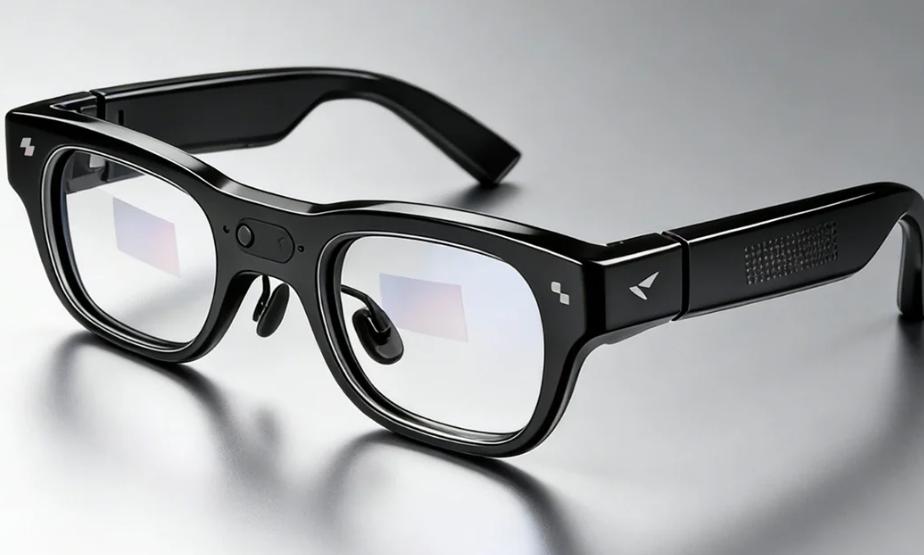
Choosing the best AR glasses for beginners starts with a few practical questions: what you want to do with them, how long you plan to wear them, and which devices you already own. Beginners often focus on flashy demos, but comfort, display clarity, app support, and connection options matter more in daily use. A good first pair should feel easy to set up, easy to wear, and capable enough to support your most common activities without adding unnecessary complexity or friction.
Understand Your Main Use Case First
Entertainment and Media Viewing Needs
If you mainly want AR glasses for movies, streaming, short videos, or casual gaming, prioritize a large, sharp virtual screen and stable visual performance. Look for strong brightness, clear text, and minimal glare so content stays comfortable during longer sessions. Audio also affects immersion, especially when watching on the go. Beginners who care most about media should choose glasses that deliver simple plug-and-play viewing and a cinematic display experience, rather than advanced productivity tools they may never actually use on a regular basis.
Productivity, Work, and Mobile Computing
For work and mobile computing, AR glasses should help you read, write, multitask, and stay focused without straining your eyes. A sharp image matters more than flashy effects because small text, spreadsheets, messages, and browser tabs demand clarity. You should also think about whether you need built-in apps, hands-free tools, or navigation support. If your goal is real daily utility, choose AR glasses that support communication, lightweight office tasks, and quick access to information instead of models designed mainly for passive entertainment.
Key Features Beginners Should Focus On
Display Quality and Visual Comfort
Display quality shapes your entire experience. Beginners should look for crisp resolution, good brightness, stable image alignment, and a viewing system that reduces blur and glare. Visual comfort becomes especially important when reading text or wearing the glasses for more than a few minutes. RayNeo Waveguide, co-developed with Applied Materials’ nanolithography, doubles light efficiency for a clear 43-inch floating image free of glare and blur. That kind of optical improvement matters because it makes media, messaging, and navigation easier to view in real-world settings.
Weight, Fit, and Wearability
Even impressive AR glasses can feel disappointing if they become uncomfortable after twenty minutes. Beginners should pay close attention to overall weight, nose support, balance across the frame, and how securely the glasses sit during movement. A lightweight design helps reduce pressure on the face and ears, especially during commuting, travel, or work sessions. If you already wear prescription glasses, fit becomes even more important. Comfortable AR glasses are more likely to become part of your routine instead of a device you stop using quickly.
Compatibility and Connectivity Basics
Smartphone, PC, and Console Support
Before buying, confirm that the AR glasses work with the devices you already use most. Beginners should check support for smartphones, laptops, handheld gaming systems, and other common sources. Some glasses are more flexible with mobile devices, while others are better suited for desktop-style use. If you expect one pair to handle media, work, and gaming, broad compatibility matters. Reliable support reduces setup frustration and helps you get value faster, especially if you want to switch between devices without learning a different workflow each time.
Wired vs Wireless Experience Trade-offs
Wired AR glasses usually offer lower latency, steadier performance, and simpler power management, which makes them attractive for gaming or long viewing sessions. Wireless setups give you more freedom to move, but they can introduce charging concerns, compression, or connection instability depending on the system. Beginners should decide whether convenience or consistency matters more. If you plan to use AR glasses mostly while seated, wired may feel easier. If you want a more mobile, everyday wearable experience, wireless flexibility may be worth the trade-offs.

Smart Features and AI Functionality
AI Assistance and Real-Time Interaction
AI features can make AR glasses feel far more useful for beginners, especially when they support quick, hands-free actions. Real-time assistance may include navigation prompts, message access, visual guidance, or tools that help you stay productive while moving. RayNeo X3 Pro’s Android-based AR display supports apps like TikTok, Instagram, and WhatsApp. It also offers built-in tools like a teleprompter, music player, camera, and navigation. For beginners, these practical features often matter more than experimental functions that sound impressive but add little daily value.
Software Ecosystem and App Support
Hardware alone does not determine whether AR glasses feel useful over time. The software ecosystem matters because it affects what you can actually do after setup. Beginners should look for a platform with accessible apps, familiar interfaces, and regular software support. Strong app compatibility makes it easier to use messaging, media, navigation, and productivity tools without extra workarounds. A well-developed ecosystem also shortens the learning curve, which is important if you want your first AR glasses to feel practical rather than experimental or limited.
Budget vs Performance Balance
Beginners should aim for the best ar glasses balance between essential performance and realistic pricing. Focus your budget on the features that affect daily use most: display clarity, comfort, compatibility, and dependable software support. Paying more only makes sense when the upgrade improves how often and how easily you will use the glasses. Skip premium extras that do not match your main use case. A smart first purchase is not the most advanced option available; it is the one that delivers clear value without unnecessary features.
Conclusion
The best AR glasses for beginners are the ones that match your routine, feel comfortable to wear, and work smoothly with your existing devices. Start with your main use case, then evaluate display quality, fit, connectivity, and software support in that order. Smart features can add value, but only if they improve everyday convenience. When you focus on practical performance instead of hype, choosing your first AR glasses becomes much easier and leads to a device you will actually enjoy using consistently.