Finding mold in your basement is unsettling — and for good reason. It’s not just a cosmetic issue or a sign of a messy space. It’s a signal that something is wrong with how moisture is being managed in your home, and it won’t go away on its own no matter how many times you clean it.
Here’s what actually causes basement mold, and what it takes to genuinely fix it.
Why Basements Are So Prone to Mold
Mold needs three things: a surface to grow on, warmth, and moisture. Basements provide all three with very little effort. They’re below grade, which means they’re surrounded by soil that holds water. They tend to have limited airflow and ventilation. And they’re often the last place in the house to get attention until something goes wrong.
The moisture that feeds basement mold almost always comes from one of a few sources — and identifying the right one is the only way to actually solve the problem.
The Most Common Causes
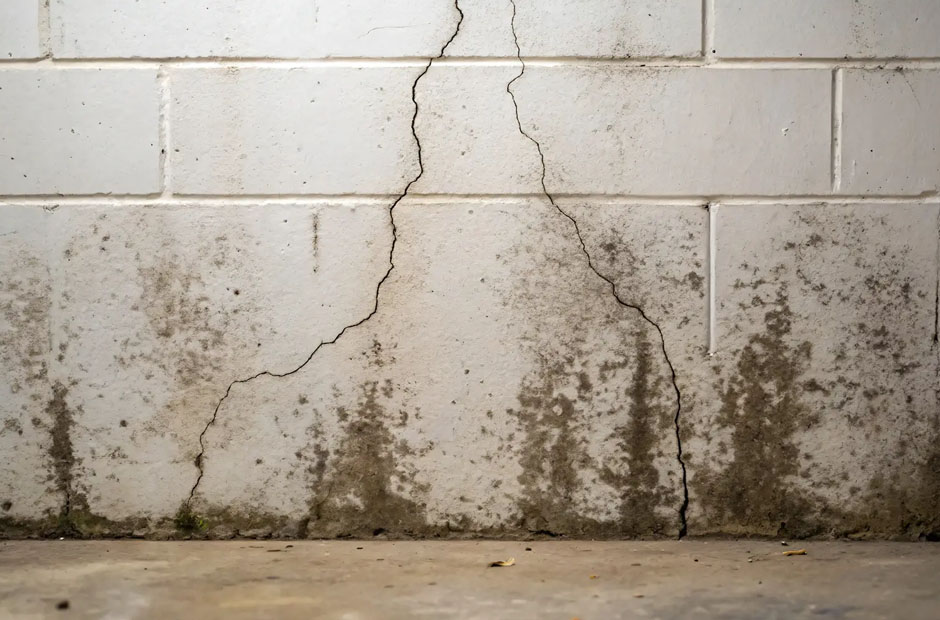
Water seeping through the foundation walls or floor. This is the big one. When groundwater pressure builds up against your foundation — especially after heavy rain or spring snowmelt — it pushes moisture through cracks, joints, and porous concrete. That moisture hits your walls, insulation, and framing, and mold follows within days.
Poor drainage around the home. If water isn’t being directed away from your foundation — whether due to flat grading, blocked gutters, or failed weeping tile — it accumulates right where you don’t want it. The soil stays saturated, hydrostatic pressure stays high, and moisture keeps finding its way in.
Condensation from humidity. Not all basement moisture comes through the walls. Warm, humid air from the living areas above can meet the cooler surfaces of a basement and condense — on pipes, walls, windows, and floors. Over time, that condensation is enough to sustain mold growth even without any direct water intrusion.
A failed or undersized sump pump. If your sump pump can’t keep up with the water it’s collecting — or if it fails entirely — water backs up and spreads. Even one significant overflow event can introduce enough moisture to trigger mold behind finished walls.
Direct Waterproofing in Innisfil provides free inspections and can pinpoint exactly which of these sources is driving your moisture problem — because treating the wrong cause means the mold keeps coming back.
Why Cleaning Mold Isn’t Enough
This is the part most homeowners skip past. You bleach the visible mold, it disappears, and the problem feels solved. A few weeks later it’s back — sometimes in the same spot, sometimes somewhere new.
That’s because surface cleaning addresses the symptom, not the source. As long as moisture continues entering your basement, mold will continue growing. It may not always be visible — it can thrive behind drywall, inside insulation batts, and under flooring where you’d never think to look. By the time it reappears on a painted surface, it’s often already well-established in the materials behind it.
Real remediation means removing contaminated materials, treating the affected area properly, and then — critically — fixing whatever is allowing moisture in.
How to Actually Fix It
The fix has two parts, and both are necessary.
Part one: remediation. Affected drywall, insulation, and framing that has been significantly compromised by mold needs to be removed and replaced. Surfaces that can be saved are treated with an appropriate antimicrobial solution. The space needs to be thoroughly dried — often with professional-grade dehumidification equipment — before anything new goes in.
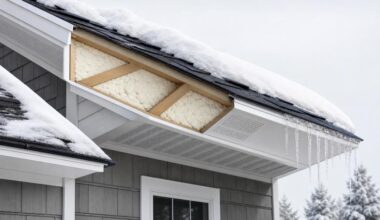
Replacing damaged materials is also an opportunity to improve humidity resistance and overall thermal efficiency in the lower level. Homeowners replacing damp or compromised wall linings often consult an insulation company in Prince George to select materials that help manage temperature variations and support a drier indoor environment moving forward.
Part two: waterproofing. Once the mold is cleared, the moisture source has to be permanently addressed. Depending on what’s causing the problem, that might mean crack injection to seal active leaks, an interior drainage system to manage groundwater, exterior membrane work to protect the foundation wall, improved grading around the home, or a sump pump upgrade or replacement.
Skipping part two means going through part one again — and again.
When to Call a Professional
If the mold coverage is limited to a small surface area and you can identify a straightforward cause — like a recently leaking pipe that has since been fixed — surface remediation may be something you can manage. But if mold is widespread, recurring, or you suspect it’s growing inside walls or under flooring, professional assessment is the right call.
The same applies to the waterproofing side. Moisture problems in basements are rarely simple, and misdiagnosing the source leads to wasted money and mold that keeps returning. A proper inspection costs nothing upfront and gives you a clear picture of what you’re actually dealing with.