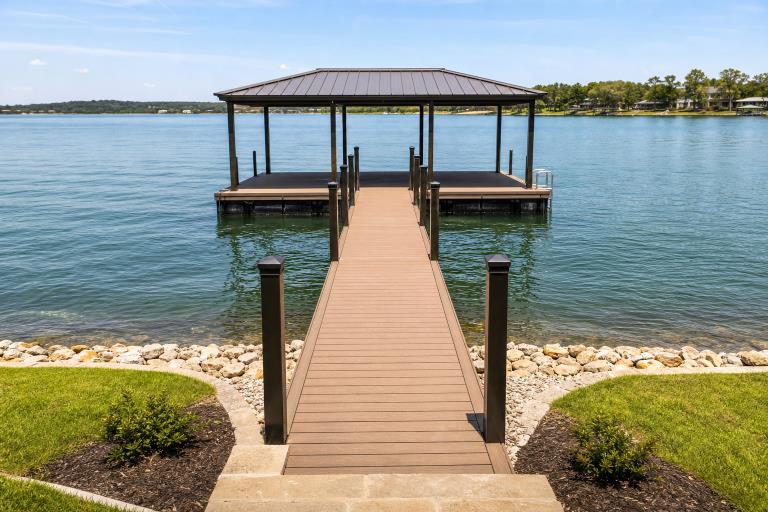
A Texas lake dock is more than an outdoor platform. It is a waterfront structure that must provide safe access while withstanding sun exposure, water movement, boat traffic, fluctuating water levels, and regular use by family and guests. Whether a property sits on Lake Travis, Lake Austin, Lake Dunlap, Lake McQueeney, or another Central Texas waterway, the planning decisions made before construction can influence the dock’s usefulness for years to come. For homeowners comparing experienced help, dock construction contractor Lakeside Structures provides custom dock construction information for Central Texas properties, including site evaluation, structural planning, permitting coordination, pilings, boat lifts, shoreline work, and dock repairs. Its service area includes the Austin metro, New Braunfels, Lake Travis, Lake Austin, and Guadalupe River Chain communities, where waterfront projects often require attention to site-specific lake and shoreline conditions.
Why Dock Planning Matters
A dock that looks attractive from shore can still have hidden weaknesses below the waterline. Inadequate supports, poorly placed pilings, weak connections, or a layout that does not accommodate the intended boat can lead to difficult repairs later. Treating the project as waterfront infrastructure from the beginning helps align safety, convenience, shoreline protection, and long-term maintenance.
Start With the Shoreline
The first planning step is understanding the site, rather than choosing decking colors or dock accessories. A shoreline review should consider seasonal water depth, the slope and stability of the bank, visible erosion, soil or lakebed conditions, and the route that workers and equipment will use to reach the work area.
- Measure water depth at the proposed dock location when practical.
- Identify trees, rocks, utilities, existing retaining walls, and neighboring structures.
- Look for underwashing, settlement, exposed roots, or soft shoreline areas.
- Consider whether equipment will need land access, water access, or both.
- Document the location with photos before work begins.
What appears straightforward from the yard may be more complex below the surface. A site review helps determine whether the dock should be fixed, floating, elevated, or coordinated with shoreline stabilization work.
Match the Design to How You Will Use It
The best dock layout depends on daily use. A simple boarding dock has different requirements than a multi-purpose waterfront gathering space. Define the priority before selecting the final footprint.
Common Dock Priorities
- Boat boarding and storage:Allow for safe approach, cleats, bumpers, and lift placement.
- Swimming and fishing:Include clear circulation, a suitable ladder, and usable edge space.
- Kayaks and paddleboards:Plan convenient launch access and storage that does not block walkways.
- Entertaining:Account for seating, shade structures, railings where needed, and the added load of furniture and guests.
- Covered storage or a boathouse:Consider vessel dimensions, lift equipment, roof clearance, and structural loads early.
For example, a family swim platform may benefit from open-water access and a spacious lounging area. A dock centered on a larger wake boat may need a layout designed around the lift, boarding path, and maneuvering room.
Choose a Layout That Fits the Water
Straight docks offer direct access and simple circulation. L-shaped docks can add usable space for fishing, seating, or swimming. T-shaped designs create additional dock edge but may need more careful consideration of the shoreline, navigation area, and local restrictions. Multi-level docks can separate boating and recreation uses, while floating docks may be considered where water-level changes are a major design concern.
No configuration is automatically right for every Texas lakefront lot. The final layout should reflect water depth, lake traffic, shoreline geometry, intended use, and applicable rules.
Materials, Pilings, and Structural Movement
Material choices should balance appearance with performance in wet, sunny, high-use conditions. Pressure-treated wood remains a familiar option, while composite decking may reduce the need for routine refinishing. Steel, aluminum, reinforced components, and marine-appropriate hardware can serve important structural roles when selected for the project’s conditions. The support system deserves equal attention. Dock framing and pilings must be planned around expected loads from people, furniture, boats, lifts, roofing, and accessories. Spacing, depth, bracing, fasteners, and connection details should also account for wind, wave action, wakes, and possible lakebed movement. Attractive decking cannot correct undersized supports or inadequate load planning.
Review Permits Before Construction
Approval requirements vary among Texas cities, counties, lake authorities, and shoreline environments. In Austin, boat dock requirements distinguish between activities such as simple re-decking, repair work, new construction, structural replacements, and dock expansions. New construction and changes to a structure may involve site-plan and building-permit steps, so homeowners should confirm responsibilities before signing a contract. Construction planning should also address erosion and runoff. The Texas Commission on Environmental Quality explains that its construction stormwater requirements can apply when work disturbs one or more acres of soil and discharges stormwater to state surface waters. Even smaller shoreline projects benefit from keeping loose soil, debris, fuel, and unsecured materials out of the water.
Protect the Shoreline During the Build
- Limit clearing and grading to the necessary work area.
- Use planned access routes for trucks, barges, and heavy equipment.
- Protect established vegetation when it can remain in place.
- Keep construction debris and loose sediment away from the lake.
- Inspect the bank after construction and restore disturbed areas as required.
A dock and its shoreline function as one connected system. If a bank is eroding or a retaining structure is failing, those conditions should be considered before finalizing dock placement.
Build a Realistic Budget and Scope
Dock costs can vary substantially based on size, configuration, water depth, access limitations, piling installation, materials, boat lifts, electrical work, lighting, and shoreline repairs. Request a written scope that identifies the proposed structure, materials, accessories, permitting responsibilities, timeline assumptions, and potential changes if hidden obstructions or unstable site conditions are found.
Questions to Ask Before Hiring
- Have you completed projects on this lake or in similar conditions?
- Who will assess water depth, shoreline stability, and lakebed conditions?
- Who is responsible for identifying permits and communicating with agencies?
- How will the structure support my boat, lift, and planned accessories?
- What materials, hardware, and maintenance recommendations are included?
- What happens if the crew encounters unstable soil or submerged obstructions?
- How will progress updates, warranties, and final inspections be handled?
Plan Maintenance From Day One
Seasonal inspections help identify issues before they become larger repairs. Check decking for damage or slippery areas, inspect bolts and brackets, watch for leaning or shifted pilings, test ladders and lift components, remove debris, and review the shoreline for new erosion. A practical maintenance routine protects both the structure and the investment behind it.
Conclusion
A durable Texas lake dock results from planning above and below the waterline. Start by evaluating the site: shoreline conditions, water depth, access, existing structures, fluctuating water levels, and the intended use of the dock. Design around real activities, whether that means swimming, fishing, boarding a boat, relaxing, or accommodating a boat lift, while allowing enough space for safe movement. Confirm applicable approvals and local requirements before construction begins, since dock rules can vary by lake, jurisdiction, property restrictions, and project scope. Select decking, framing, fasteners, pilings, flotation, and other structural components based on exposure to water, weather, loads, and local conditions rather than appearance alone. Consider drainage, slip resistance, hardware corrosion, and access to components that may eventually need repair or replacement. Establish a maintenance routine before the project is complete, including regular inspections for loose connections, damaged decking, structural movement, corrosion, and other signs of wear. With these factors addressed from the beginning, a lake dock can provide safer access, better waterfront enjoyment, and more dependable long-term service while making future maintenance easier to manage.