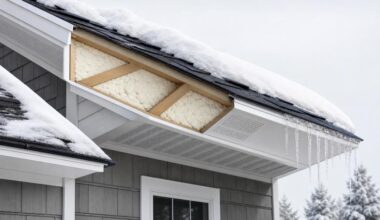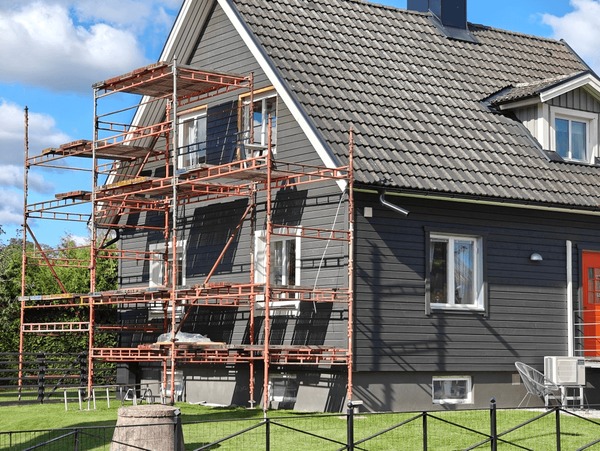
The home exterior renovation process involves assessing your property’s condition, planning improvements, selecting materials, completing construction, and conducting final inspections to ensure long-term performance, points out KRS Holdings NOVA Property Management. Whether you are upgrading for curb appeal, energy efficiency, or property value, understanding the process can help you avoid costly mistakes and make informed decisions.
Many homeowners begin renovations with a clear vision but are unsure how to move from planning to completion. Companies such as Krech Exteriors help homeowners navigate each stage of the renovation process, from the initial evaluation to the final finishing touches. Knowing what to expect can make the entire project more efficient and less stressful.
Every Successful Project Starts With a Thorough Assessment
Before any work begins, a comprehensive inspection of the home’s exterior is essential. This step helps identify existing issues that may affect the renovation.
For example, damaged siding, aging roofing materials, water intrusion, or deteriorating windows may require attention before cosmetic upgrades are completed. Skipping this evaluation can lead to unexpected expenses later in the project.
A detailed assessment also helps homeowners prioritize improvements. Rather than focusing solely on appearance, it allows them to address structural concerns that could impact the home’s long-term durability and value.
Planning and Budgeting Set the Foundation
Once the condition of the home has been evaluated, the next step is creating a clear renovation plan.
This stage involves determining project goals, selecting materials, establishing a budget, and creating a realistic timeline. Some homeowners focus on increasing resale value, while others prioritize energy efficiency, weather protection, or modernizing the property’s appearance.
Careful planning helps prevent delays and reduces the likelihood of costly changes once construction begins. It also provides a roadmap that contractors and homeowners can follow throughout the project.
A well-defined plan often leads to better results and a smoother renovation experience.
Choosing the Right Materials Matters
Material selection plays a significant role in the success of any exterior renovation.
Different products offer varying levels of durability, maintenance requirements, and weather resistance. Roofing materials, siding options, windows, gutters, and exterior finishes should all be chosen based on local climate conditions and long-term performance expectations.
While lower-cost materials may seem attractive initially, investing in quality products can reduce maintenance costs and extend the lifespan of the renovation. Homeowners should consider both appearance and functionality when making these decisions.
Selecting appropriate materials early also helps avoid project delays caused by supply issues or design changes.
Construction Is More Than Installation
Many people think renovation begins and ends with installation, but the construction phase involves much more.
Professional contractors typically start by preparing the property, protecting landscaping, removing damaged materials, and addressing any hidden structural concerns. Once preparation is complete, new materials are installed according to manufacturer specifications and local building requirements.
Quality workmanship is critical during this stage. Even premium materials can underperform if they are not installed correctly. Attention to detail during construction helps ensure that the renovation delivers the appearance, protection, and longevity homeowners expect.
Regular communication between homeowners and contractors can also help keep the project on track.
Final Inspections Help Ensure Long-Term Success
After construction is completed, a final inspection serves as an important quality-control step.
This review allows contractors and homeowners to verify that all work has been completed properly and that any concerns have been addressed. Inspections may include evaluating roofing systems, siding installation, drainage performance, window sealing, and overall workmanship.
The final walkthrough also provides an opportunity to discuss maintenance recommendations and warranty information. Understanding how to care for newly installed exterior components can help protect the investment for years to come.
A thorough inspection ensures that the project meets expectations before it is officially considered complete.
Why Professional Guidance Makes a Difference
Exterior renovations often involve multiple systems working together, including roofing, siding, gutters, insulation, and windows. Because these components affect one another, professional guidance can be valuable throughout the process.
Experienced contractors understand how to identify potential issues, recommend appropriate solutions, and coordinate work efficiently. Their expertise can help homeowners avoid common mistakes such as selecting incompatible materials, overlooking drainage concerns, or delaying necessary repairs.
Working with knowledgeable professionals often results in a more durable, attractive, and cost-effective renovation.
Key Takeaways
- A successful exterior renovation begins with a thorough property assessment.
- Planning and budgeting help establish realistic goals and expectations.
- Material selection affects durability, maintenance needs, and performance.
- Proper installation is essential for achieving long-term results.
- Final inspections help verify quality and identify any remaining issues.
- Professional guidance can reduce mistakes and improve project outcomes.
- Exterior renovations should focus on both appearance and structural protection.
- Understanding the renovation process helps homeowners make informed decisions and maximize the value of their investment.