Your bathroom gets used every single day, yet it’s often the room you ignore until something starts leaking, cracking, or looking stuck in another decade. A remodel can make your home feel newer, work better, and even help resale value. Still, bathroom projects have a reputation for surprise costs and awkward decisions. If you want a smoother upgrade, you need more than pretty tile ideas. You need a practical game plan.
Know When You Need Professional Help
A new mirror or cabinet swap can be a DIY job. Moving plumbing lines or rebuilding a shower pan is a different league.
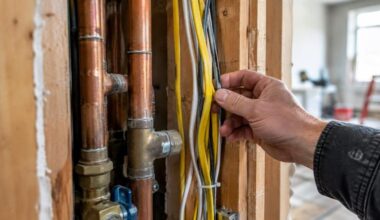
Bathrooms are small, but they’re technical. Water, electricity, ventilation, tile work, and code requirements all overlap in one compact space. One mistake can lead to leaks, rot, mold, or repairs that cost more than doing it right the first time.
Working with a qualified bathroom remodeling company can help you avoid those expensive detours. A professional team can assess your layout, recommend materials that hold up in humid conditions, and handle installation details that most homeowners never see until something fails.
That matters even more if your remodel includes:
– Walk-in showers
– Tub-to-shower conversions
– Accessibility upgrades
– Major plumbing changes
– Structural repairs
Start With Function Before You Pick Finishes
It’s tempting to jump straight to paint colors, matte black fixtures, and the kind of shower you saw online at 1 a.m. Slow down a bit.
Your first job is figuring out what isn’t working now. Maybe your storage is terrible. Maybe two people can’t use the space without bumping elbows. Maybe your tub never gets used and just collects shampoo bottles like a porcelain shelf.
Make a short list of problems you want the remodel to solve. Focus on daily use:
– Poor lighting
– Limited storage
– Bad ventilation
– Old plumbing fixtures
– Cramped layout
– Hard-to-clean surfaces
A bathroom that looks great but functions badly gets old fast. Good design starts with how you actually live, not just what looks polished in a photo.
Set a Budget That Includes the Annoying Stuff
Bathroom remodels rarely cost only what people expect at the beginning. The visible upgrades are just one part of the bill.
You also need to think about the less glamorous line items:
– Demolition and debris removal
– Plumbing updates
– Electrical work
– Waterproofing
– Permit fees
– Labor costs
– Material delivery
– Unexpected repairs behind walls
That last one has a habit of showing up uninvited. Water damage, mold, and outdated pipes don’t care about your spreadsheet.
Build in a contingency fund of at least 10% to 20%. That buffer gives you room to handle problems without derailing the whole project. If you spend less than expected, great. If not, you won’t be standing in a half-finished bathroom wondering whether to cancel the vanity or the lighting.
Choose Materials That Can Handle Real Life
Bathrooms are high-moisture spaces. They deal with steam, splashes, heat, cleaning chemicals, and constant use. A material that looks amazing in a showroom can become a maintenance headache at home.
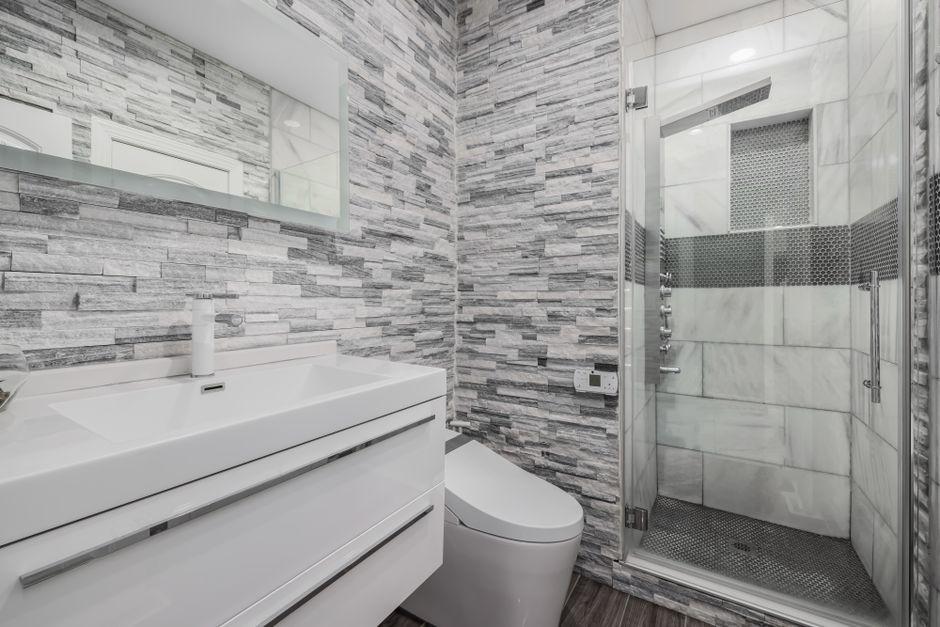
Pick finishes that balance appearance with durability. Porcelain tile is popular because it handles moisture well and is easier to maintain than some natural stone. Quartz counters usually resist stains and need less upkeep than marble. Moisture-resistant paint is another smart choice, especially in bathrooms with weaker airflow.
Think beyond the “wow” factor:
– Will it show water spots?
– Is it slippery when wet?
– Does it need sealing?
– Is it easy to clean around edges and grout lines?
– Will it hold up to daily use?
A bathroom should look sharp on day one and still make sense a year later. Low-maintenance wins more often than flashy.
Don’t Ignore Layout, Storage, and Clearance
You don’t need a huge bathroom to make it better. You need a layout that makes sense.
A few inches in the wrong place can make the room feel awkward every day. A door that blocks a vanity, a toilet squeezed too close to a tub, or drawers that can’t fully open can turn a remodel into a lesson in regret.
Look closely at movement and spacing. Ask yourself how the room functions during a rushed morning. Can someone reach towels easily? Is there enough counter space for daily essentials? Do outlets land where you actually need them?
Smart storage helps a lot:
– Built-in shower niches
– Vanity drawers with organizers
– Recessed medicine cabinets
– Tall linen storage
– Open shelving used sparingly
Open shelving looks clean until it becomes a museum of half-used products. Closed storage usually ages better and looks calmer.
Lighting and Ventilation Deserve More Respect
A bathroom with bad lighting can make even a nice remodel feel cheap. A bathroom with bad ventilation can quietly destroy itself.
You want layered lighting, not just one overhead fixture doing all the work. Combine ambient lighting with task lighting near the mirror. That setup helps with shaving, makeup, skincare, and avoiding the usual shadowy horror-movie effect.
Good options include:
– Vanity lights at eye level
– Dimmable overhead fixtures
– Waterproof shower lighting if needed
– Night lighting for easier late trips
Good ventilation is just as important as good lighting. An effective exhaust fan helps remove excess moisture, limit mildew, and protect surfaces such as paint, drywall, and cabinetry from humidity-related damage. If your existing fan is unusually loud but still leaves the room steamy long after a shower, replacing it with a quieter, more efficient model may be worthwhile.
A beautiful bathroom won’t stay beautiful for long if moisture has nowhere to go.
Think About Accessibility Before You Need It
A bathroom remodel is a good time to make the space safer and easier to use long term. That doesn’t mean it has to look clinical.
Accessible design can blend into modern style very naturally. Features that help older adults or people with mobility issues often make life easier for everyone.
Consider practical upgrades like:
– Curbless showers
– Grab bars with clean finishes
– Wider doorways
– Comfort-height toilets
– Non-slip flooring
– Handheld showerheads
– Shower benches
Even if you don’t need those features right now, planning ahead can save money later. It can also make your home more appealing to a wider range of buyers.
Good remodeling isn’t only about current trends. It’s also about making your home work well through changing seasons of life.
Plan for Resale Without Erasing Your Taste
You should enjoy your bathroom, so it doesn’t need to look like a generic hotel brochure. Still, if resale matters, some choices are easier to live with and easier to sell.
Neutral foundations usually offer the best flexibility. That can mean simple tile, timeless fixtures, and colors that won’t confuse future buyers. You can still add personality through mirrors, hardware, lighting, or wall color.
Features that often support value include:
– Updated showers
– Double vanities in shared baths
– Water-efficient fixtures
– Quality tile work
– Modern lighting
– Fresh, cohesive finishes
Very trendy choices can date quickly. If you love bold patterns or unusual colors, use them where they’re easier to change later.
The best bathroom remodel feels personal without becoming a design time capsule. Aim for a space that works hard, looks polished, and doesn’t need a rescue mission five years down the line.