Home renovations often happen only after something has become obviously worn, inefficient, or stylistically outdated. By that point, a relatively simple refresh may have turned into a much larger project. A better approach is to pay attention to the parts of a home that have an outsized influence on how current the entire property feels.
That does not mean chasing every new design trend. Constantly replacing perfectly functional features is expensive and can make a home feel less timeless rather than more. The smartest updates focus on visible, heavily used elements where small changes can keep rooms looking considered for much longer.
Give Plain Walls More Architectural Character
Walls occupy more visual space than almost anything else in a room, yet they are often treated as little more than backgrounds for paint. When an interior starts feeling flat or dated, changing the walls can have a surprisingly large effect without requiring major structural work.
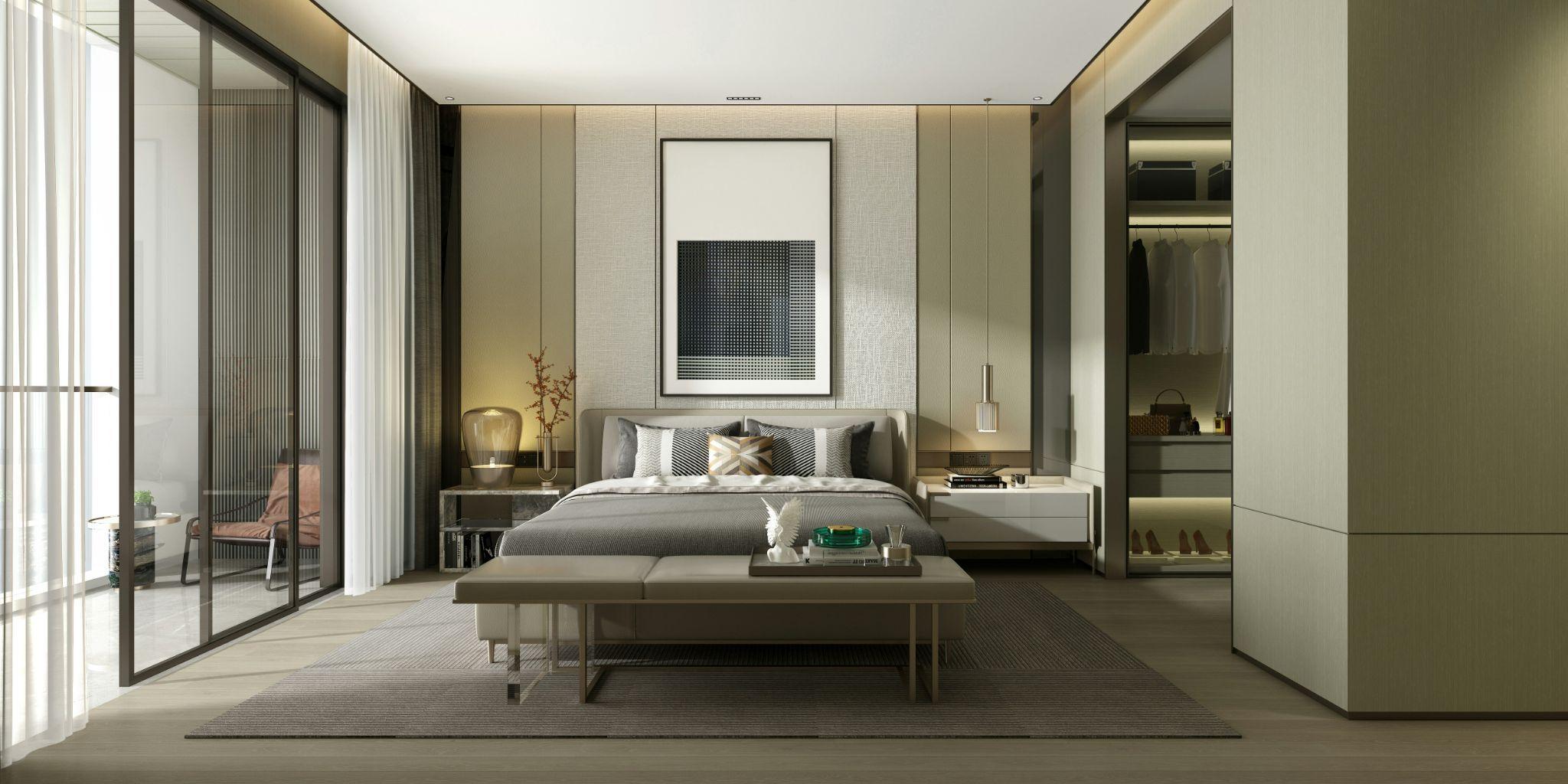
The answer does not always have to be another paint color. Contemporary wall treatments can introduce depth, natural texture, and architectural definition while still working with relatively restrained interiors. Exploring materials through woodplank.com can provide ideas for using wood paneling, slatted treatments, cladding, or other dimensional surfaces to give selected areas more character.
The key is avoiding an application that becomes too closely associated with one moment in design. Rather than covering every wall with the same treatment, consider an entry, fireplace wall, dining area, bedroom wall, or another architectural feature where texture has a clear purpose.
Update Lighting Before Replacing Everything Else
Lighting can date an interior remarkably quickly. A room may have attractive flooring and perfectly good furniture but still feel decades older because of one oversized fixture or harsh, uniform illumination.
Replacing dated fixtures is only part of the opportunity. It is also worth reconsidering how the room is illuminated.
Modern homes benefit from layered lighting rather than depending exclusively on a central ceiling fixture. Pendants can define tables and islands, wall lights can introduce softer illumination, and table or floor lamps can create more comfortable evening conditions.
Dimmer controls can extend the usefulness of the same fixtures by allowing a bright functional room during the day to become considerably more relaxed at night. Thoughtful lighting can therefore modernize the atmosphere without requiring changes to the architecture around it.
Pay Attention to Hardware and Small Fixtures
Kitchen cabinets can remain structurally sound long after their handles begin making them look dated. The same is true of bathroom vanities, interior doors, faucets, and other frequently touched details.
These smaller elements are worth reviewing because replacing them can alter the character of a room without requiring the larger components to be removed.
Cabinet handles are a good example. Simple hardware can make existing cabinetry appear more contemporary, particularly when combined with refreshed paint or refinished doors. Door handles, taps, shower fixtures, and switches can have a similar effect when older designs visibly conflict with the rest of the interior.
Consistency matters more than making every piece identical. Choosing a restrained family of finishes can help different rooms feel connected without creating the impression that every detail was purchased as a matching set.
Refresh Flooring Before Wear Takes Over the Room
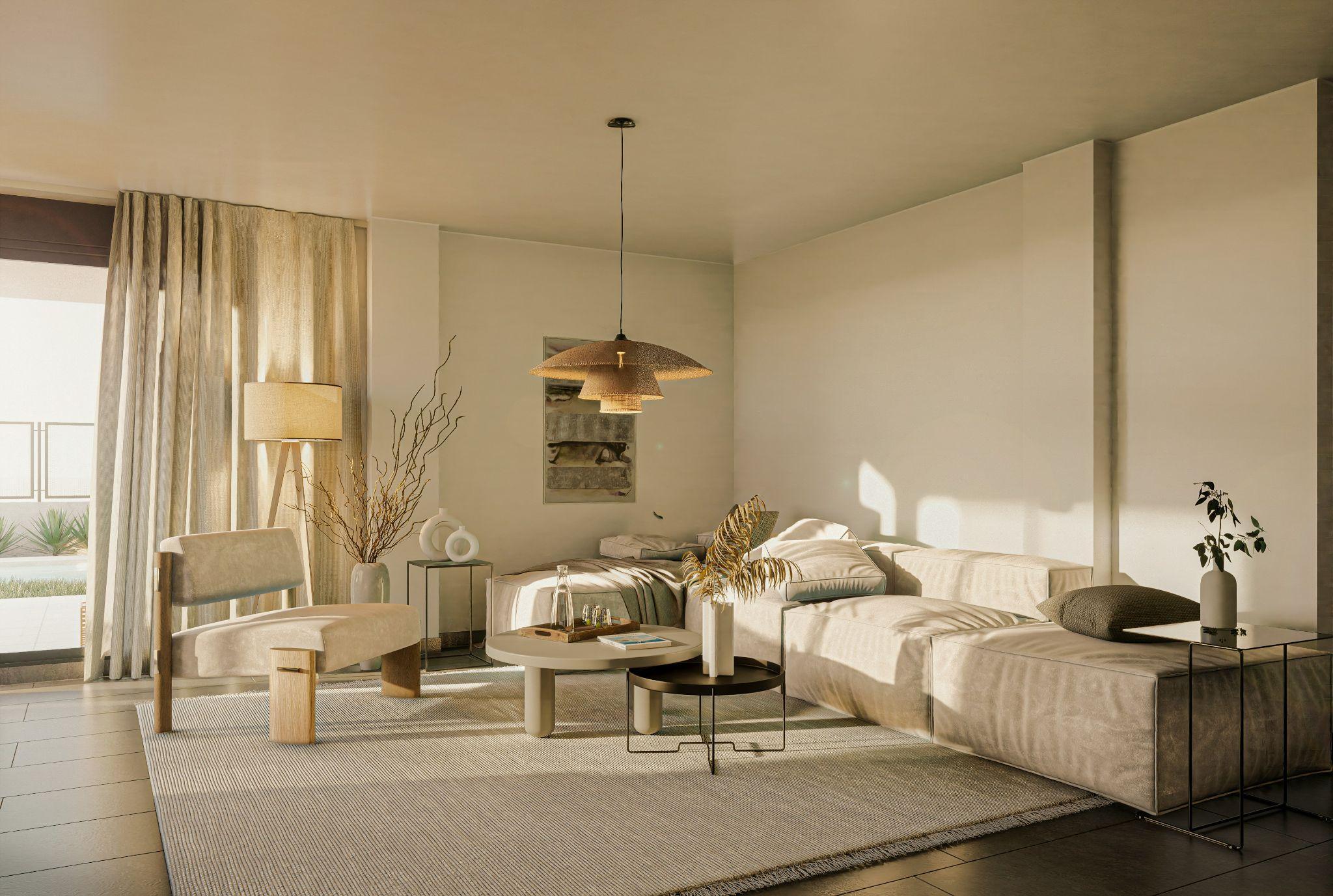
Floors experience more physical use than most interior surfaces, so even a timeless material can eventually begin making a room look tired.
Scratched timber, heavily worn carpet, cracked tiles, or damaged finishes can influence the appearance of an entire space. Addressing deterioration early may also provide more options than waiting until replacement becomes unavoidable.
Hardwood floors, for example, may be suitable for refinishing rather than removal. Tile can sometimes be refreshed by dealing with damaged grout, while replacing worn carpet can transform bedrooms and living areas surprisingly quickly.
When replacement is necessary, avoid choosing a material purely because it is currently fashionable. Flooring covers too much space and is too inconvenient to replace frequently. Natural-looking materials, restrained colors, and finishes that work with several decorating styles usually provide more flexibility as furniture and wall colors change.
Keep the Kitchen Current Without Constantly Renovating It
A complete kitchen renovation is disruptive and expensive, which makes the idea of replacing one every time styles change unrealistic. Fortunately, kitchens contain several layers that can be updated independently.
Cabinet hardware, lighting, wall color, backsplash details, stools, faucets, and smaller appliances can all influence how current the room feels. Even cabinetry can sometimes be painted, refinished, or fitted with new fronts while retaining the existing boxes.
The layout deserves a different approach. If the kitchen functions well, avoid changing it simply to follow a fashionable arrangement. Good circulation, useful storage, adequate preparation space, and sensible relationships between appliances will generally outlast decorative trends.
This is where separating design from function becomes valuable. Update the visible layer when necessary, but preserve expensive fundamentals when they continue to work well.
Do Not Let the Bathroom Age All at Once
Bathrooms often look dated because several small elements belong unmistakably to the same era. A particular mirror shape, vanity, light fixture, faucet, shower enclosure, and tile combination can collectively place the room in a specific decade.
Updating selected elements over time can prevent that effect from becoming overwhelming.
Mirrors and lighting are relatively straightforward places to begin. Hardware, faucets, storage, and accessories can follow. If the tile itself is neutral and in good condition, there may be little reason to replace it simply because other details have aged.
Permanent materials deserve particularly careful choices during a larger renovation. Highly distinctive tile patterns can be appealing, but they are more difficult to change than towels, artwork, mirrors, or paint. Keeping expensive surfaces relatively versatile leaves room for personality through elements that can evolve more easily.
Reconsider Window Treatments as Rooms Change
Curtains, blinds, and shades have an unusual ability to disappear from attention. Because they remain in the same place every day, homeowners may not notice when they have started making a room feel older.
Heavy fabrics, complicated valances, damaged blinds, or treatments that block too much natural light can alter the appearance of otherwise updated interiors.
Simpler window treatments often provide a cleaner backdrop while still handling privacy and light control. The right solution depends on the room: bedrooms may need effective light blocking, while living spaces might benefit from softer treatments that preserve daylight.
Scale is equally important. Curtains positioned thoughtfully in relation to the window and ceiling can make openings feel larger and rooms more balanced.
This is a relatively contained update, yet because windows naturally attract attention, the visual improvement can extend across the entire room.
Know Which Features Are Better Left Alone
Not everything that looks old is automatically outdated. Original timber floors, substantial woodwork, stone, quality cabinetry, traditional doors, and other well-made architectural details can provide exactly the character newer homes sometimes lack.
Before replacing something, ask whether the problem is genuinely the feature or simply what surrounds it. Old woodwork may look completely different beside contemporary furniture and simpler lighting. A traditional fireplace can become a compelling focal point after surrounding finishes are updated.
The objective should therefore be evolution rather than permanent renovation. Homes inevitably change, and attempting to keep every detail aligned with the newest trend usually guarantees that some choices will age quickly.
Instead, concentrate on the features that receive the most visual attention and physical use. Refresh lighting, hardware, walls, flooring, window treatments, kitchens, and bathrooms when they genuinely begin holding the home back, while preserving quality materials that still have character. A home stays current much more successfully when updates are selective, thoughtful, and designed to last beyond the next decorating cycle.