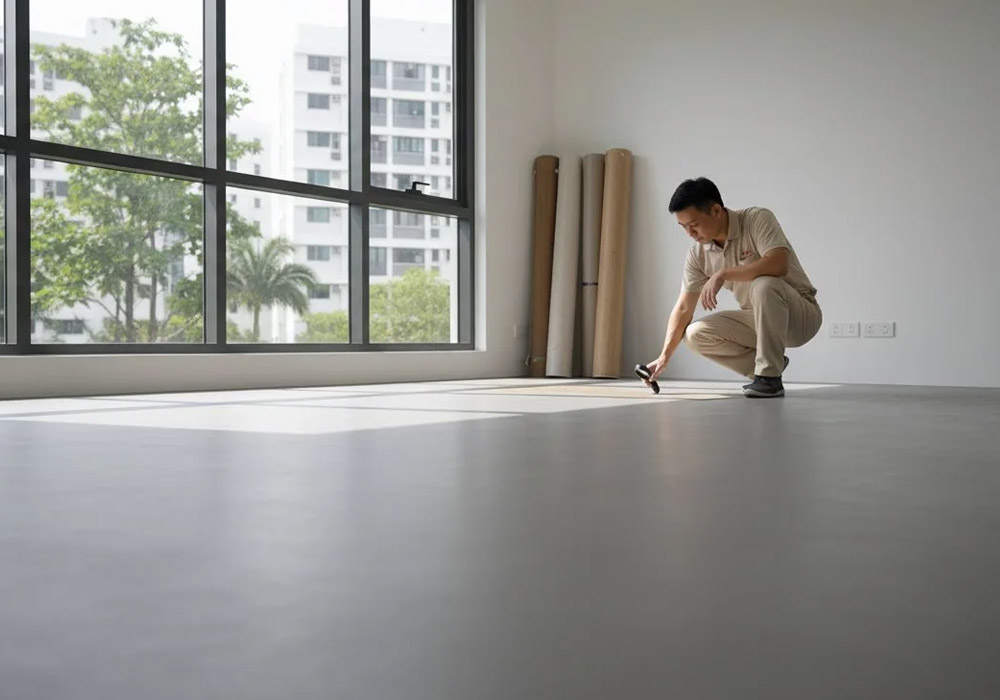
Polished concrete has become a practical flooring choice for many homes, yet it is still surrounded by outdated assumptions. Some homeowners picture cold industrial floors, while others worry about maintenance, comfort, or style. In reality, modern finishing methods offer durable, attractive surfaces suited to everyday living.
Understanding the facts helps separate useful concerns from common myths. With the right preparation, finish, and care routine, polished concrete can support comfort, design flexibility, and long-term performance in many residential spaces.
Myth: Polished Concrete Only Looks Industrial
This is one of the most common misunderstandings. While polished concrete is often seen in commercial settings, residential floors can be finished in a wide range of styles. The final look depends on aggregate exposure, sheen level, color treatments, and surrounding interior design choices.
A low-sheen finish can feel soft and understated, while a higher-gloss surface can look more refined. Rugs, natural textures, warm lighting, and furniture choices can also make the floor feel comfortable rather than commercial.
Myth: It Is Always Cold and Uncomfortable
Concrete can feel cool underfoot, but that does not mean it is uncomfortable. Like tile or stone, it responds to the surrounding environment. In warm seasons, the cool surface can be pleasant. In cooler months, rugs and radiant heating can improve comfort.
Because concrete has thermal mass, it can help hold and release warmth when used with suitable heating systems. This makes it more adaptable than many people expect, especially in well-insulated homes.
Myth: Polished Concrete Is Maintenance-Free
No flooring is completely maintenance-free. Polished concrete is low maintenance, but it still benefits from regular care. Dust, grit, and spills should be managed to protect the finish and preserve its appearance over time.
Use a soft dust mop or vacuum suitable for hard floors
Clean spills promptly, especially acidic or oily liquids
Avoid harsh cleaners that can dull the surface
Use mats near exterior doors to reduce tracked-in grit
These habits are simple, but they matter. Proper care helps polished concrete keep its sheen and reduces unnecessary wear in high-traffic areas.
Myth: Cracks Make It a Bad Flooring Choice
Concrete can crack, but not every crack is a failure. Small hairline cracks are often part of the material’s natural character. Some homeowners even appreciate the subtle variation because it gives the floor a more organic appearance.
Good installation and preparation can reduce the risk of problematic cracking. Joint placement, slab condition, moisture control, and finishing methods all influence performance. When evaluating concrete solutions, the condition of the existing slab should be part of the planning process.
Myth: It Is Too Slippery for Homes
A highly polished surface may look slick, but appearance does not tell the whole story. Slip resistance depends on the finish, cleaning routine, footwear, moisture, and any added treatments. Many residential finishes are designed to balance shine with practical traction.
Like any hard surface, wet areas require common sense. Entry mats, prompt cleanup, and appropriate finish selection can help reduce slips. Homeowners should compare sheen levels and surface treatments based on how each room is used.
Myth: Polished Concrete Has Limited Design Options
Modern polished concrete is more versatile than many traditional assumptions suggest. It can be subtle, bold, rustic, or contemporary. The slab itself may show stone, sand, or fine texture, depending on the grinding depth and finish system.
Design factors that affect the final look
Aggregate exposure level
Matte, satin, or gloss finish
Color staining or natural gray tones
Room lighting and wall colors
Furniture, textiles, and area rugs
Because the floor is part of the full interior, it should be judged alongside cabinetry, paint, trim, and furnishings. A simple concrete surface can support many design styles without competing for attention.
Myth: It Is Only Suitable for New Homes
Polished concrete is often associated with new construction, but existing homes may also be candidates. The key factor is the slab’s condition. Adhesive residue, cracks, moisture issues, uneven areas, or previous coatings can affect what result is realistic.
Some older slabs polish beautifully. Others may need repair, grinding, densifying, or a different finish approach. A careful assessment helps set expectations before decisions are made.
Myth: It Costs the Same in Every Home
Pricing can vary because each slab is different. Size, access, repair needs, finish level, stain removal, edge work, and coating removal all influence cost. A plain room with a clean slab is not the same as a complex renovation with adhesive and surface damage.
Comparing flooring options should include lifespan and upkeep, not only the starting price. Durable floors with modest maintenance needs may offer long-term value when matched to the right setting.
Better Expectations Lead to Better Flooring Decisions
Polished concrete is not perfect for every room or every household, but many myths make it seem less practical than it is. Homeowners benefit from focusing on slab condition, finish choice, comfort needs, and realistic maintenance rather than outdated assumptions.
When viewed clearly, polished concrete can be a durable, adaptable, and visually appealing flooring option. The best results come from understanding the material honestly, including both its strengths and its natural limitations.