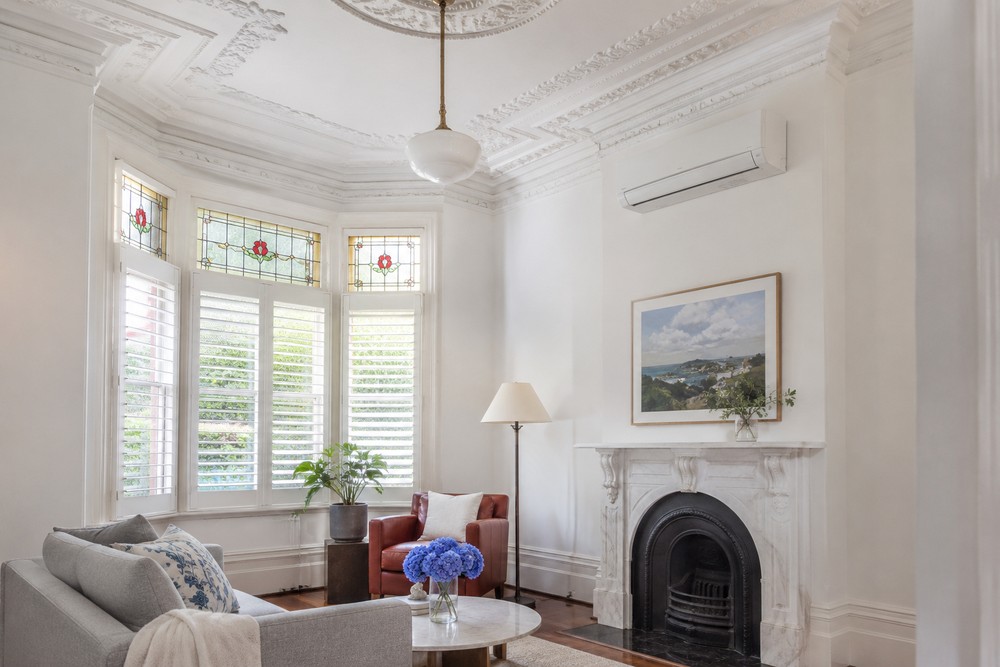
Australia is home to some of the most beautiful period architecture in the world. From the intricate Victorian terraces lining inner-city streets to sprawling Federation homesteads in the countryside, these properties offer a tangible glimpse into the past. However, bringing these classic spaces into the 21st century comes with a unique set of challenges. Anyone looking for advice on how to modernise a period home knows that the primary goal is always to retain original architectural character while adding modern amenities. Upgrading your climate control is often the trickiest part of this balancing act. Bulky modern appliances can easily disrupt the visual flow of a carefully restored heritage living space, turning a beautiful room into an eyesore if not handled correctly.
Overcoming the High Ceiling Hurdle
Original 19th-century Victorian homes typically feature stunning 12-foot ceilings. While this impressive height creates a wonderful sense of grandeur and openness, it also presents a significant challenge for temperature regulation. Older properties are notoriously draughty, and traditional heating methods often struggle to warm the large cubic volumes of air effectively without costing a fortune in utility bills.
Modern reverse-cycle split systems are highly efficient and capable of handling these demanding environments, but they require careful placement to avoid overwhelming a historic room. To preserve intricate plasterwork, ceiling roses, and ornate cornices, these systems must be installed with absolute precision. Because of the complex calculations needed to cool these larger spaces properly, it is crucial to consult a specialised air conditioning service Melbourne residents trust for delicate installations. Expert installers can ensure the unit is sized correctly and positioned discreetly, protecting your home’s historic brickwork and maintaining its authentic aesthetic charm.
Navigating Heritage Guidelines
Beyond the interior aesthetics, upgrading climate control in a period home often involves navigating strict external regulations. Installing domestic services, such as outdoor compressor units or exterior piping, usually requires a formal planning permit if the property falls under a local Heritage Overlay. Securing this approval in strict municipalities can add between four and eight weeks to your project timeline, often necessitating pre-application guidance from local council advisors to ensure strict compliance.
There is a very good reason for these strict guidelines. According to the Heritage Council of NSW, property owners must be careful to avoid unsympathetic additions, such as poorly designed air conditioning, which can detract from a building’s historic character. The official policy explicitly advocates for a place-based approach to environmental retrofits. This means balancing your modern temperature control needs with responsible historic preservation, ensuring that any new physical installations do not compromise the cultural integrity of the neighbourhood.
Shifting Toward Energy Efficiency
While sympathetic heritage renovations generally cost about 15 to 25 percent more than standard updates, period homes in well-preserved streetscapes have historically shown exceptional value appreciation rates. Making smart investments in your home’s climate control not only boosts your daily comfort but also aligns perfectly with upcoming environmental regulations. Under the Victorian Gas Substitution Roadmap, all new homes must be built entirely all-electric by 2027 without a reticulated gas connection.
For existing period properties, transitioning away from outdated gas heating to efficient reverse-cycle split systems offers significant long-term benefits. The Victorian Energy Upgrades (VEU) program provides upfront discounts for homeowners making this switch, making it an excellent time to plan your upgrade. Keep the following points in mind when preparing for your climate control renovation:
- Financial Incentives: Replacing an older gas room heater with an eligible split system can yield VEU discounts of up to $1,610, while replacing older ducted gas heating can generate indicative discounts of up to $5,530.
- Energy Savings: Converting an existing home to an all-electric setup can save owners an estimated $1,900 annually on energy bills, increasing to over $2,200 a year if paired with an existing solar PV system.
- System Limitations: Recent changes to the VEU program include caps on multi-split systems at 20 kW and mandatory co-payments for larger ducted installations, making consultation with an accredited provider essential.
- Future-Proofing: Upcoming regulations mandate that replacing a broken gas hot water system with an electric alternative will soon be required, so embracing an all-electric setup now puts your property ahead of the curve.
Updating the climate control in a historic property does not mean you have to sacrifice its timeless appeal. With careful planning, a deep respect for heritage guidelines, and the right professional expertise, you can seamlessly integrate modern technology into classic Australian architecture. By taking a thoughtful, well-researched approach to your home renovation, you can enjoy exceptional year-round comfort while preserving the elegant character and rich history that makes your period property truly one of a kind.