From Functional Space to Green Innovation
A garage used to be little more than a box for vehicles and storage. Today, however, it can be an architectural experiment and an energy hub. Building a space that merges practical function with ecological integrity calls for foresight. When a garage becomes part of a household’s efficiency ecosystem, its contribution is no longer passive; it can actively generate energy, preserve resources, and elevate comfort.
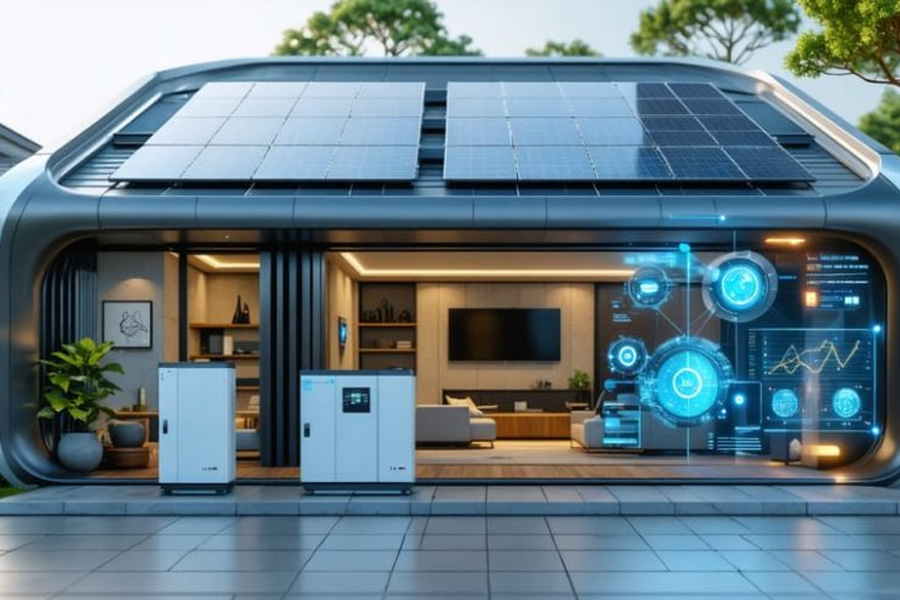
The emerging idea of a green garage reflects a broader movement across home improvement. As the line between technology and sustainability blurs, builders and homeowners realize that this small structure can model the larger transition to cleaner living. Installing insulation and choosing recycled materials are only starting points. Partnering with a reputable Roofing Company can further improve a garage’s energy efficiency by recommending durable roofing systems that support insulation performance and, where appropriate, accommodate solar energy solutions. The space can operate as a miniature power station, pushing domestic design toward energy independence.
Integrating Conscious Materials into Modern Form
All sustainable garages start with materials. Choosing products that respect natural cycles changes permanence. Recycled steel and engineered wood composites combine strength and efficiency. They show industrial refinement and ecological sensitivity can coexist. A well-balanced design uses these elements for waste reduction, embodied carbon reduction, and longer service life.
Insulation is the environmental unsung hero. Thermal barriers, such as cellulose blown into walls or mineral wool in ceiling cavities, reduce energy loss in winter and summer. Poorly insulated buildings lose heat and money to air leaks, which are unseen rivers. Tools and electric vehicles are protected in a well-insulated garage.
Innovation moderates concrete’s inevitable imprint. Fly ash and slag chemically strengthen the mix while lowering carbon footprint. Sustainable construction involves layers of incremental actions that affect the equation rather than abrupt change.
Rooflines That Capture Light
The roof often serves as both an aesthetic emblem and an energy collector. When shaped intentionally, it transforms sunlight into sustained power. A moderate pitch aimed toward the southern sky maximizes exposure and creates space for solar integration. Metal standing-seam surfaces are more than a design statement; they simplify installation, as panels can be clamped securely without breaching the surface.
This method opens a form-follows-function design language. The garage becomes a living instrument that responds to seasonal light and temperature changes. Solar panels on metal roofing contrast technological precision with natural light.
The result is self-reliance. A roof that produces electricity lets the structure feed rather than consume. For homeowners in Southern California, working with a local installer like solar irvine specialists Suntrek Solar ensures the system is properly sized and positioned for regional sun exposure, maximizing the energy a garage roof can generate throughout the year. When battery storage is added, the rhythm becomes continuous and the power collected at noon serves household needs long after sunset.
Powering Modern Mobility from Home
Electric mobility has redefined the way a garage works. What was once stationary space now doubles as a charging station, where the home interacts directly with transportation. Planning for a Level 2 charger creates flexibility. With a dedicated 240-volt circuit installed during construction, charging an electric vehicle becomes effortless, a routine embedded into domestic life rather than an external errand.
A charging cable’s quiet pulse overnight shows how inconspicuous sustainability may be. In the morning, the homeowner finds a partially charged battery fueled by the sun. Architecture and technology create energy cycles that lessen grid dependence.
Early preparation of the electrical network prevents costly retrofits. Even if you don’t own an electric car, infrastructural readiness shows commitment to a cleaner, smarter norm.
Creating a Balance Between Old Craft and Modern Efficiency
Traditional craftsmanship still finds relevance in this new narrative. Wood-framed structures remain attractive for their familiarity and warmth. When responsibly sourced and safeguarded with insulation, a timber garage achieves a harmony that is both nostalgic and sustainable. The juxtaposition of natural materials with photovoltaic systems adds depth to the visual and ecological character of the property.
Builders focusing on modular wood designs offer versatility that fits into this hybrid vision. Adding solar readiness and electrical rough-ins transforms what might have been a rustic outbuilding into a participant in energy modernization. The marriage of old and new becomes a metaphor for progress that honors heritage.
Economic Layers of Eco Construction
Every green project is also an exercise in budgeting. Investing strategically yields tangible returns. Insulation, although invisible once installed, delivers ongoing savings. Solar systems, even at modest sizes, offset rising electricity costs and can raise property value. The choice of material affects not only upfront price but also maintenance longevity.
A two-car garage outfitted with sustainable components may appear costly at first glance, yet incentives and tax credits modify the picture substantially. When energy produced and fuel savings are calculated together, the structure’s operation becomes economically virtuous. It maintains a cycle in which initial costs gradually transform into measurable value over years of ownership.
Efficiency—paying once for long-term benefits—replaces extravagance. Sustainable garages show that financial intelligence and environmental commitment can coexist.
Structuring the Build for Maximum Impact
Success depends on timing and order. The best projects start with a sustainable blueprint: roof pitch calculated for solar performance, conduit paths for wiring, and structural loads for future technologies. Each subsequent decision builds on foresight when executed systematically.
Prioritizing insulation over finishes ensures comfort. Labor is saved by roughing in electrical before wall closure. Roof and solar installation should be coordinated to save time. Stages become coordinated gestures toward longevity and performance.
The process resembles composing music: aligning structural rhythm, electrical notes, and environmental harmony until the final build stands as a functional symphony.
FAQ
What is the most practical level of EV charging for a residential garage?
Level 2 charging is generally most suitable for homes. It uses a 240-volt circuit and replenishes twenty to thirty miles of driving range per hour, allowing an overnight full charge. It balances equipment cost, installation complexity, and convenience for daily use.
Can solar panels on a garage roof supply enough power for both lighting and vehicle charging?
Yes, even a smaller array of six to ten panels can often meet those demands. Production varies by location, but a four-kilowatt system typically yields several thousand kilowatt hours annually. That can sustain household lighting and provide adequate electricity for an electric vehicle’s weekly needs.
How does insulation improve a garage’s sustainability?
Insulation minimizes unwanted heat exchange between interior and exterior air. By maintaining stable indoor temperatures, heating and cooling systems operate less frequently, which reduces energy consumption and greenhouse gas emissions. It also preserves stored items and creates a more comfortable workspace.
Are concrete alternatives strong enough for garage foundations?
Mixtures incorporating fly ash or slag remain robust and durable. These supplementary materials substitute part of the carbon-intensive cement without compromising structural integrity. The finished surface performs comparably to traditional concrete while lowering overall environmental impact.
Is battery storage necessary when adding solar panels?
Battery storage is optional but beneficial. It captures excess power produced during daylight hours, making it available after dark. This ensures the solar array operates at full efficiency and can power overnight charging or essential circuits during grid outages.
How can a homeowner future-proof a new garage for upcoming technologies?
Designing for adaptability ensures lifespan. Choose wire conduit large enough for upgrades, reinforce the roof for panel expansion, leave room for battery systems, and install a sub-panel for more circuits. Technology disrupts less with future preparation.
Why might traditional wood still appeal in sustainable design?
Wood carries visual warmth and familiarity while performing well when sourced from managed forests. Combined with modern insulation and energy systems, it can form an inviting, low-impact structure that connects the tactile tradition of carpentry with the logic of green architecture.
What are the primary cost factors in building an eco-conscious garage?
Expenditure varies with materials, size, and system capacity. Structural framing, insulation upgrades, solar installation, electrical circuits for EV charging, and roofing selections determine overall price. While initial spending may be higher, incentives and operational savings gradually balance the investment.