Most appliance problems start with something small: a dirty filter, clogged vent, worn gasket, or buildup that gets overlooked.
Regular maintenance can help Buford homeowners catch these issues before they lead to poor performance or an unexpected repair. The key is to focus on a few recurring tasks rather than trying to maintain every appliance at once.
Whether you live near downtown Buford, Hamilton Mill, Sugar Hill, or Lake Lanier, this checklist can help you build a simple maintenance routine for the appliances you use most. If routine maintenance does not solve a problem, Buford appliance repair services can help with professional diagnosis and repairs.
Key Takeaways
- Clean the dryer lint filter after every load and monitor dryer airflow.
- Check refrigerator coils, door seals, and water filters regularly.
- Clean dishwasher filters and washer components according to the manufacturer’s recommendations.
- Inspect washer hoses for cracks, leaks, and other damage.
- Pay attention to changes such as longer drying times, unusual noises, leaks, or poor cooling.
- Buford’s warm, humid weather makes moisture management and refrigerator maintenance worth watching.
- Call a qualified professional for gas, electrical, refrigerant, or other specialized repairs.
Refrigerator Maintenance
Your refrigerator runs continuously, so small maintenance tasks can help keep it operating properly.
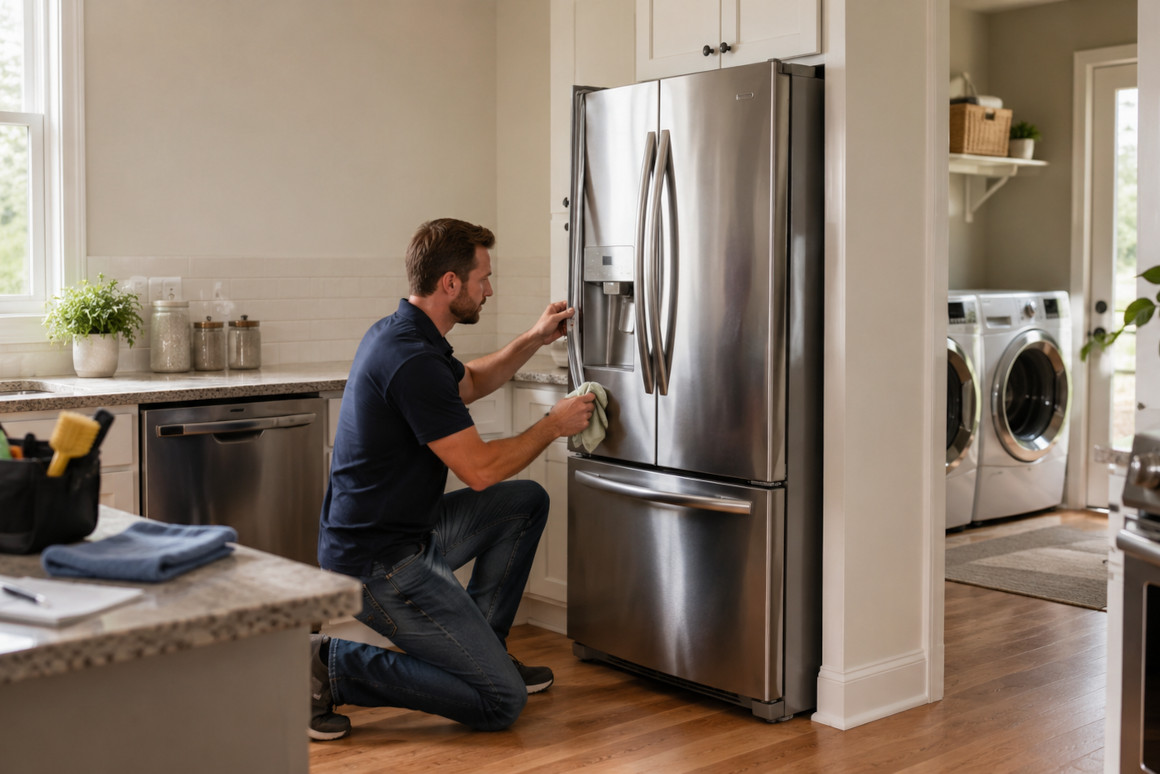
- Clean or vacuum condenser coils about every six months, or more often if dust or pet hair builds up.
- Wipe the door gasket monthly and check for cracks or gaps.
- Make sure the refrigerator has adequate clearance for air circulation.
- Check the temperature periodically. A common target is 37°F to 40°F for the refrigerator and about 0°F for the freezer.
- Replace the water filter according to the manufacturer’s schedule.
- Watch for excessive running, unusual sounds, or changes in cooling performance.
A quick dollar-bill test can help check the door seal. Close the refrigerator door on a bill and gently pull it. If it slides out with very little resistance, the gasket may not be sealing properly.
If the refrigerator continues to struggle with temperature after basic maintenance, have the problem diagnosed rather than assuming the appliance needs to be replaced.
Dishwasher Maintenance
Food debris and residue can collect in the dishwasher filter and drain area, sometimes causing odors or poor cleaning performance.
- Clean the dishwasher filter monthly.
- Check the drain area for trapped food and debris.
- Inspect and wipe the door gasket.
- Run a cleaning cycle according to the manufacturer’s instructions.
- Use only cleaners compatible with your appliance.
- Watch for musty odors, cloudy dishes, or changes in cleaning performance.
If a dishwasher smells bad or stops cleaning dishes effectively, start by checking the filter and drain area. If cleaning does not solve the problem, further inspection may be necessary.
Oven and Stove Maintenance
Cooking appliances mainly need regular cleaning and occasional inspection.
- Clean spills and grease before heavy buildup develops.
- Check gas burner flames when applicable. They should generally burn steadily and appear blue.
- Inspect burners for visible damage or blockage.
- Use an independent thermometer if you suspect the oven temperature is inaccurate.
- Follow the manufacturer’s cleaning instructions.
Do not attempt unfamiliar repairs involving gas or electrical components. Persistent gas odors or electrical problems require professional attention.
Washer Maintenance
Washers handle frequent loads, making routine inspections especially useful.
- Inspect washer hoses at least annually for cracks, bulges, and leaks.
- Replace damaged hoses promptly.
- Leave the washer door or lid open between loads when the manufacturer’s instructions allow it.
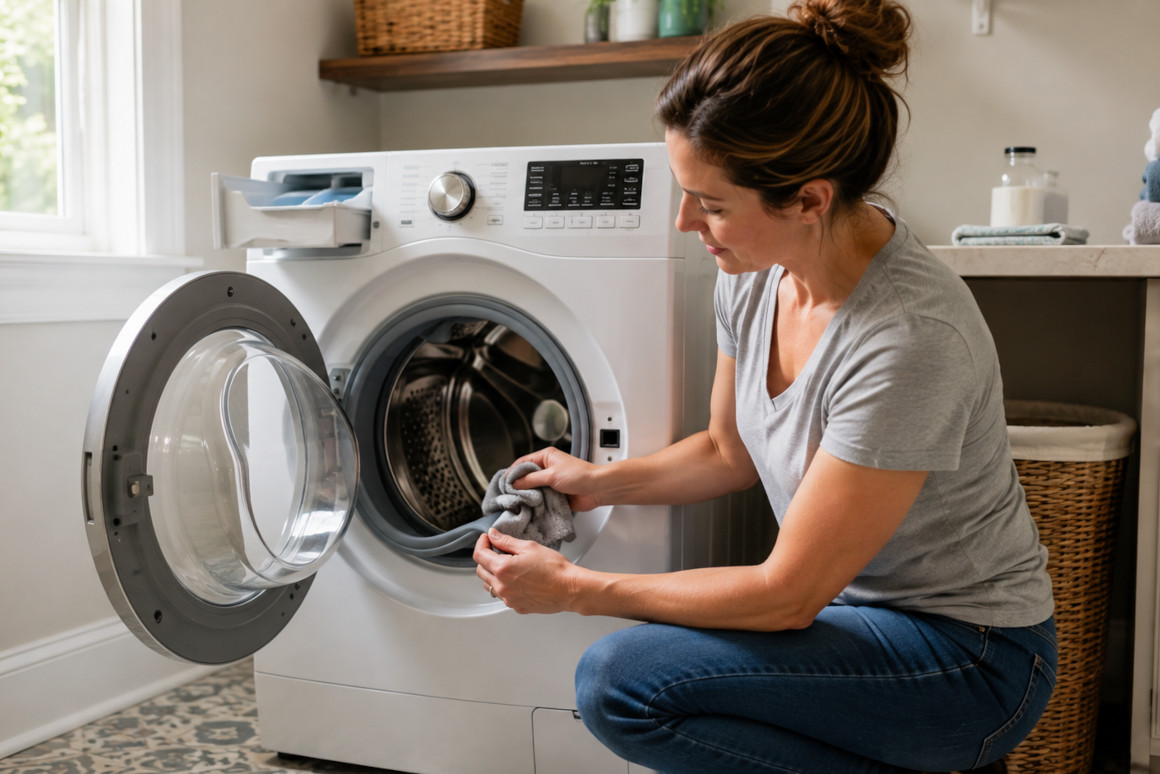
- Wipe moisture from front-loading washer gaskets.
- Clean the detergent dispenser.
- Run a washer-cleaning cycle according to the manufacturer’s instructions.
- Watch for unusual vibration, leaks, drainage problems, or other changes.
Allowing a front-loading washer to dry between cycles can help reduce moisture buildup around the gasket and inside the machine.
Dryer Maintenance
Dryer maintenance should be part of every laundry routine because lint and restricted airflow can affect performance and safety.
After every load:
- Clean the lint filter.
- Check the filter housing for accumulated debris.
Periodically:
- Keep the area around the dryer free of lint and clutter.
- Inspect the vent for restricted airflow.
- Arrange professional vent cleaning when buildup or restricted airflow is present.
- Watch for unusually long drying times, excessive heat, or repeated shutdowns.
If a dryer suddenly takes much longer to dry clothes, check the lint filter and airflow before assuming a major appliance component has failed. If the problem continues, have the dryer and vent system evaluated.
Other Appliance Maintenance
A few less frequent tasks are also worth adding to your routine.
Garbage disposal
- Clean it according to the manufacturer’s instructions.
- Run cold water while operating it.
- Avoid grease and inappropriate food waste.
- Only use cleaning methods such as ice or citrus if the manufacturer permits them.
Range hood
- Degrease washable filters every one to two months, depending on cooking frequency.
- Replace filters designed for replacement.
- Wipe grease from surrounding surfaces.
Water filters
- Check replacement dates.
- Replace filters according to the manufacturer’s instructions.
- Check for leaks after installing a new filter.
- Record replacement dates if needed.
Simple Appliance Maintenance Schedule
| Task | Frequency |
| Clean dryer lint filter | Every load |
| Clean dishwasher filter | Monthly |
| Inspect washer gasket and dispenser | Monthly |
| Clean garbage disposal | Monthly |
| Degrease range hood filter | Every 1–2 months |
| Clean or inspect refrigerator coils | About every 6 months |
| Replace refrigerator water filter | Manufacturer’s schedule |
| Inspect washer hoses | At least annually |
| Check oven temperature | Annually or when problems appear |
| Inspect dryer vent and airflow | Periodically and when drying times increase |
| Clean washer | Manufacturer’s schedule |
For tasks you only perform a few times a year, calendar reminders can make the schedule easier to maintain.
Appliance Maintenance Tips for Buford Homes
In my experience with Buford homes, the warm, humid conditions make moisture management especially important in laundry areas. I recommend keeping washer gaskets and other moisture-prone areas clean and allowing the washer to dry between loads when appropriate.
I also pay close attention to refrigerators and freezers during the summer. Higher temperatures can increase their workload, so I make a habit of keeping coils clean and checking door seals to help maintain proper operation.
Mineral deposits are another issue I commonly watch for around appliances and fixtures. When I see white residue or buildup, I follow the manufacturer’s instructions and use an appliance-compatible cleaning product rather than relying on a harsh cleaner.
I’ve also found that appliance maintenance can vary depending on the home’s layout and installation. Older Buford homes and newer construction may have very different ventilation and utility configurations. If you’re planning a larger home improvement project, I recommend considering how appliance placement, ventilation, and utility connections fit into the overall plan. I pay particular attention to dryer vents that are long, restricted, or difficult to access, especially when I notice drying times starting to increase.
Warning Signs That Need Attention
Regular maintenance does not eliminate every appliance problem. Pay attention when an appliance starts behaving differently.
Common warning signs include:
- A refrigerator that cannot maintain its normal temperature.
- A dishwasher that remains dirty after cleaning the filter.
- A washer that leaks, vibrates excessively, or has drainage problems.
- A dryer that takes much longer to dry clothes.
- Excessive dryer heat or repeated shutdowns.
- Persistent gas odors.
- Electrical problems or damaged wiring.
- Problems that continue after routine maintenance.
A change in performance does not necessarily mean an appliance needs to be replaced. Diagnosis can help determine whether the problem is maintenance-related or requires a repair.
When Should You Call a Professional?
Homeowners can safely handle many cleaning and inspection tasks, but specialized repairs should be left to qualified professionals.
If routine maintenance does not solve an appliance problem, a local appliance repair company such as Appliance EMT can help diagnose the issue and determine whether the appliance needs a repair or further service.
Get professional help when a problem involves gas connections, electrical components, refrigerant, compressors, sealed refrigeration systems, or other specialized parts.
Professional service is also appropriate when basic maintenance does not resolve a recurring problem.
Frequently Asked Questions
How often should I clean refrigerator coils?
About every six months is a reasonable starting point for many homes. Homes with pets, heavy dust, or other conditions that cause faster buildup may require more frequent cleaning. Follow the manufacturer’s recommendations for your refrigerator.
How often should I clean a dryer vent?
There is no single schedule that applies to every home. Vent configuration, dryer use, and lint buildup all matter. Clean the lint filter after every load and watch for longer drying times or excessive heat. Professional cleaning may be appropriate when airflow is restricted or buildup is present.
Why does my dishwasher smell?
A dirty filter, trapped food, or residue around the drain and gasket can cause odors. Start by cleaning the filter and drain area, then follow the manufacturer’s cleaning instructions.
When should I call an appliance professional?
Call a qualified professional when routine maintenance does not solve the problem or when the issue involves gas, electrical components, refrigerant, compressors, or other specialized systems.
Stay Ahead of Appliance Problems
Appliance maintenance does not have to take an entire weekend. Focus on a few simple habits: clean filters, inspect seals and hoses, keep dryer airflow clear, and investigate unusual changes in performance.
Start with the refrigerator, dishwasher, washer, and dryer. Add less frequent tasks to your calendar so they do not get forgotten.
For Buford homeowners, consistent maintenance is a practical way to catch small problems earlier and keep everyday appliances working as intended. Always follow the manufacturer’s recommendations and get professional help when a repair goes beyond routine cleaning or inspection.